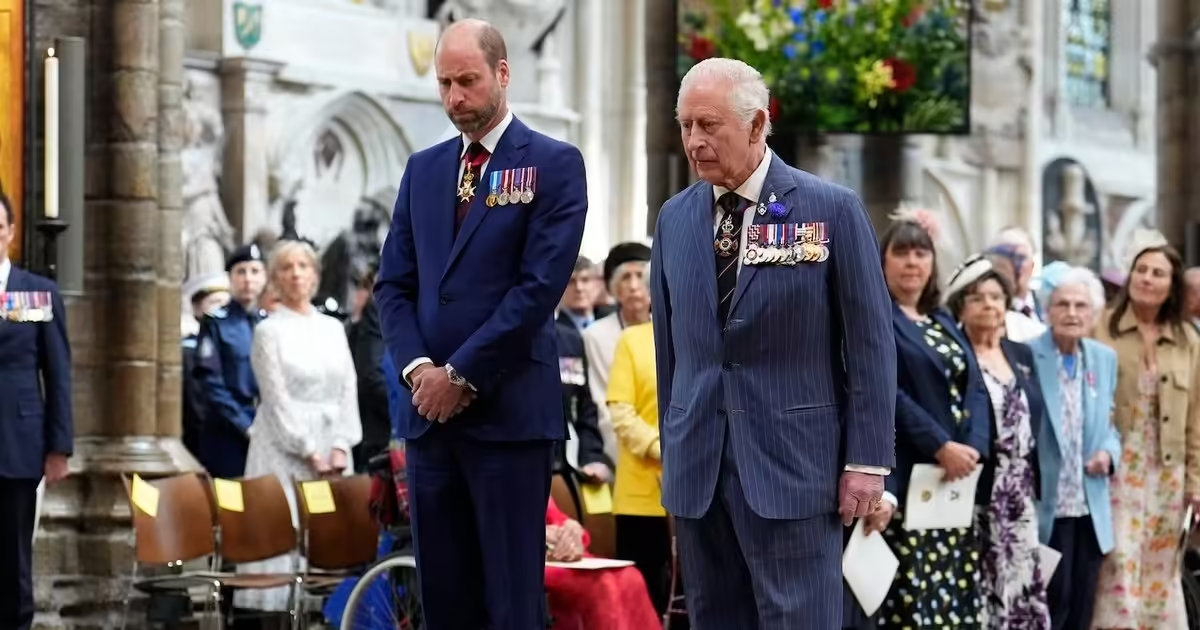

Charles arrived on October 29, 2026, for a two-day visit at the invitation of President Mohamed Irfaan Ali, following a visit to the Bahamas.
His nine-day Caribbean tour also includes Antigua and Barbuda, where reparations are expected to feature in discussions among Commonwealth leaders.
The visit comes as Caribbean nations, alongside African countries including Ghana and Kenya, increase pressure on Britain to acknowledge its historical responsibility and address the lasting consequences of slavery and colonialism.
However, Buckingham Palace said on October 2 that Charles would not avoid discussions about Britain’s involvement in slavery, which he has previously described as “the darkest days of our past”, but would not issue a formal apology.
According to historical estimates compiled by the SlaveVoyages research database, European traders forcibly transported about 12.5 million enslaved Africans across the Atlantic between the 15th and 19th centuries, largely from territories that now form Nigeria, Ghana, Angola, Benin, Senegal and the Democratic Republic of Congo.
Britain accounted for an estimated 3.2 million of those transported, making it the second-largest European participant in the transatlantic slave trade after Portugal.
Caribbean nations press Britain for reparations
The legacy of that trade remains a source of tension between Britain and its former colonies, with Guyana’s President Mohamed Irfaan Ali calling for reparations through debt relief, development financing and investment in education and healthcare.
His demands are part of a wider campaign backed by the 15 member states of the Caribbean Community (CARICOM), including Jamaica, Barbados, the Bahamas and Antigua and Barbuda, which are seeking compensation and greater accountability from former colonial powers.
Some countries have attached substantial financial estimates to their claims, with Barbados Prime Minister Mia Mottley stating in December 2023 that her country was owed $4.9 trillion by nations involved in slavery, while Jamaica’s reparations campaign has previously raised claims of about $10 billion.
In September 2026, Jamaica formally asked Charles to seek legal advice on Britain’s obligation to pay reparations, with its government saying it was “encouraged” by Buckingham Palace’s engagement.
CARICOM is also pushing for reparations to feature at the Commonwealth Heads of Government Meeting in Antigua and Barbuda, bringing the issue into focus during Charles’s Caribbean tour.
Ghana and Kenya press Britain for compensation
The demands have also gained momentum in Africa, where Ghanaian President John Dramani Mahama has called on Britain and other former colonial powers to apologise, pay reparations and return cultural artefacts taken during colonial rule, renewing his appeal during a visit to London in October.
In March 2026, Ghana secured support from 123 countries for a UN resolution on the enslavement of Africans, before hosting African and Caribbean leaders who backed a reparations plan covering compensation, debt relief and the return of stolen artefacts.
“We are not here seeking the taxpayers’ cheque book. We call for acknowledgement, apology and the next steps for justice, peace and international understanding,” he said on October 22.
Kenya has also demanded compensation for British colonial atrocities during the Mau Mau uprising, in which official records show about 11,500 fighters were killed, although historians believe the wider death toll was much higher.
In 2013, Britain agreed to pay £20 million to more than 5,000 Kenyan survivors of colonial-era abuses, but demands for further accountability have continued.
President William Ruto raised the issue during Charles’s October 2023 state visit, when the monarch acknowledged the abuses and voiced regret but stopped short of a formal apology.
Despite mounting pressure from African and Caribbean nations, Britain continues to oppose further financial reparations, while Buckingham Palace maintains that decisions on apologies and compensation fall to the British government rather than the monarch.
Source: africa.businessinsider.com