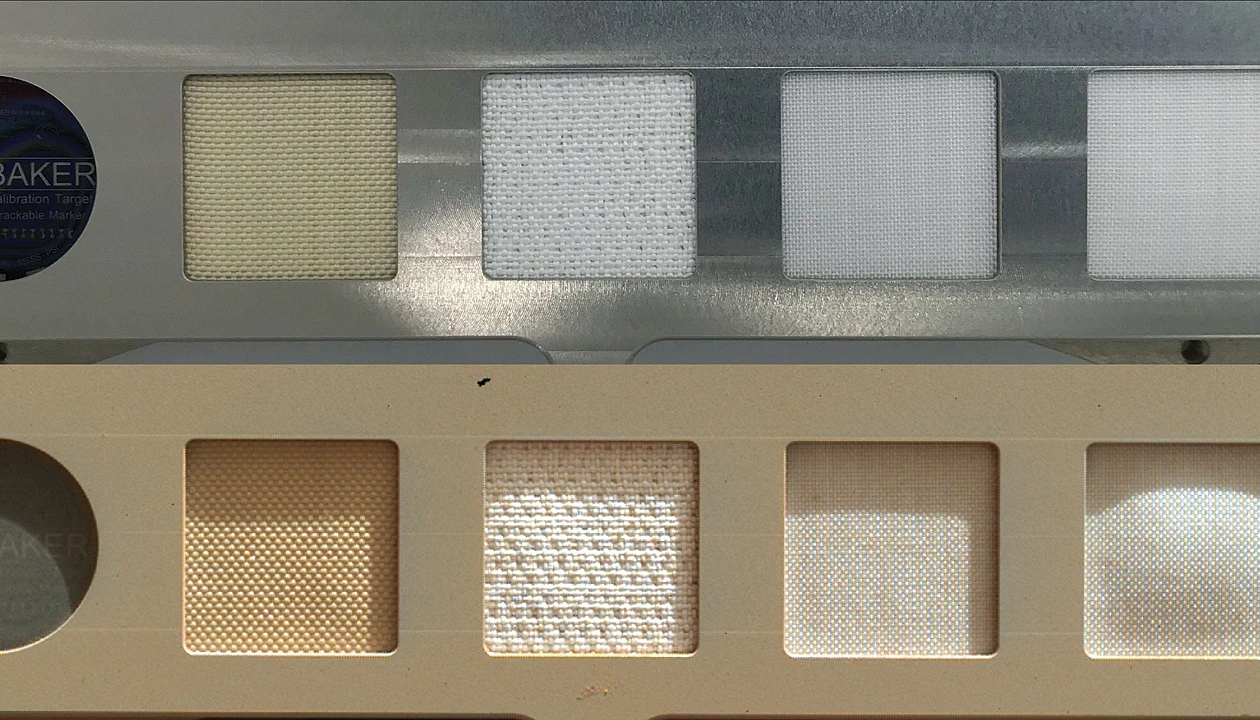

When humans finally make it to Marsdust is one of the innumerable risks they’ll face. Spectra collected by the rovers roaming the Martian surface provide scientists with vital information about the chemical composition of the surrounding landscape. But the smallest particles—those that can pass from someone’s lungs into their bloodstream—have remained elusive.
Now researchers have repurposed the X-ray fluorescence spectrometer on the rover Perseverance to examine particulates as small as 100 nm in diameter (Proc. Natl. Acad. Sci. U.S.A. 2026, DOI: 10.1073/pnas.2620747123). Analyses conducted with the spectrometer, known as the Planetary Instrument for X-ray Lithochemistry or PIXLmay prove critical in the effort to establish health standards for future crewed missions to Mars.
Source: cen.acs.org