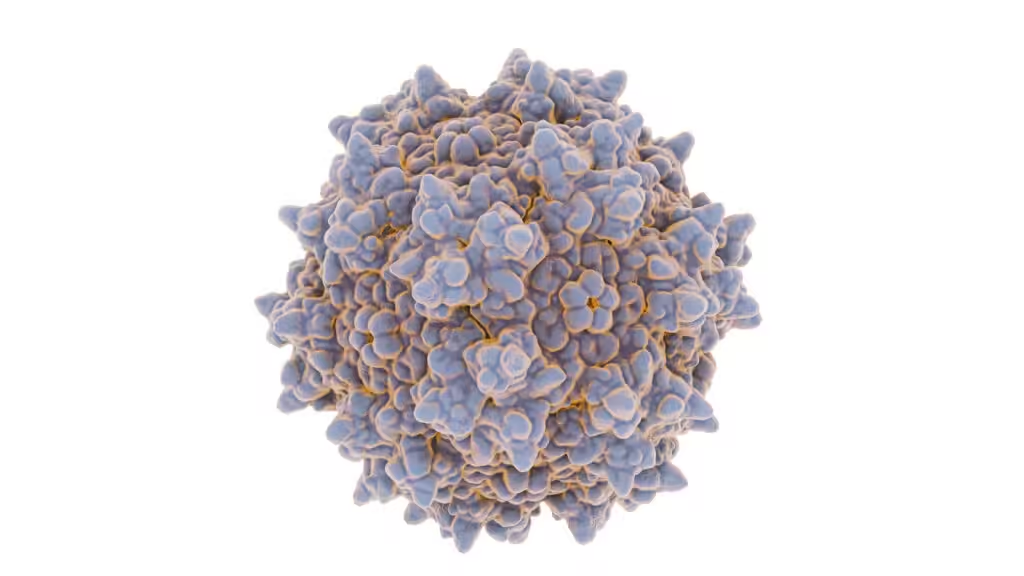

For two decades, researchers debated whether adeno-associated viruses, the small viruses used to deliver new genes into thousands of patients, could in certain cases drive tumors. That debate is over.
A series of cases this year has presented powerful evidence that adeno-associated viruses, or AAVs, can cause cancer, forcing researchers and families to weigh the newly confirmed risk against the technology’s life-saving potential — and hopefully determine how to design better therapies in the future.
“It will change the calculus for some patients,” said Sam Mackenzie, a neurologist at University of Rochester, speaking specifically about spinal muscular atrophy patients.

This article is exclusive to STAT+ subscribers
Unlock this article — plus daily coverage and analysis of the biotech sector — by subscribing to STAT+.
Already have an account? Log in
Source: www.statnews.com