
An adult is on life support in an Adelaide hospital with invasive meningococcal infection.
SA has had 22 cases of meningococcal disease reported this year, up from 13 at the same time in 2025.
The fast-progressing disease prompted authorities to call for greater uptake of the Meningococcal B vaccine.
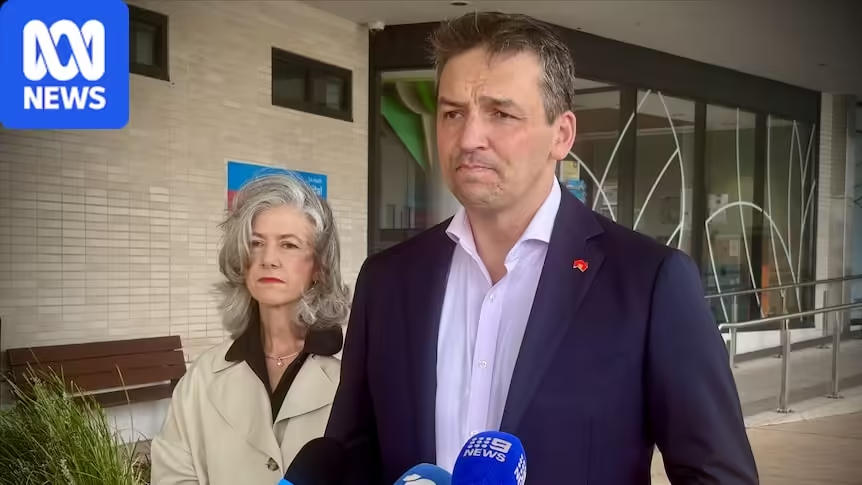
“I think at the moment we have roughly 50 per cent of eligible people in our state who are actually vaccinated and covered for meningococcal B,” Health Minister Blair Boyer said.
The Meningococcal B vaccine is free for South Australian children aged six weeks to 12 months, and school students in Year 10.
“The kids most at risk are the young children,” Chief Public Health Officer Nicola Spurrier said.
“The other highest risk group is 15 to 20-year-olds, and that’s why we have the school-based program.“
Very close contact required for transmission
Professor Spurrier said SA Health had already performed contact tracing and the risk to the wider population from the infected person was low.
Seven close contacts have been identified to receive clearance antibiotics to prevent further transmission.
“That means they’ve had the antibiotics, it reduces that carriage of the bacteria in the back of the nose and throat and therefore can’t be passed on to anyone else,” Professor Spurrier said.
Invasive meningococcal disease is caused by an infection with Neisseria meningitis bacteria, of which there are 13 known types. Around a tenth of the population harmlessly carries the bacteria in their nose and throat where it causes no harm.
However, the pathogen can be transmitted to others at times of prolonged or very close contact — often by living in the same household — and spread to the bloodstream and brain.
Symptoms include skin rash, headache, fever, vomiting, neck stiffness and discomfort when looking at lights. These can progress to confusion and shock. Symptoms require urgent medical attention as death can occur within 24 hours. According to SA Health, up to 10 per cent of infected people can die, even with rapid treatment.
Source: www.abc.net.au