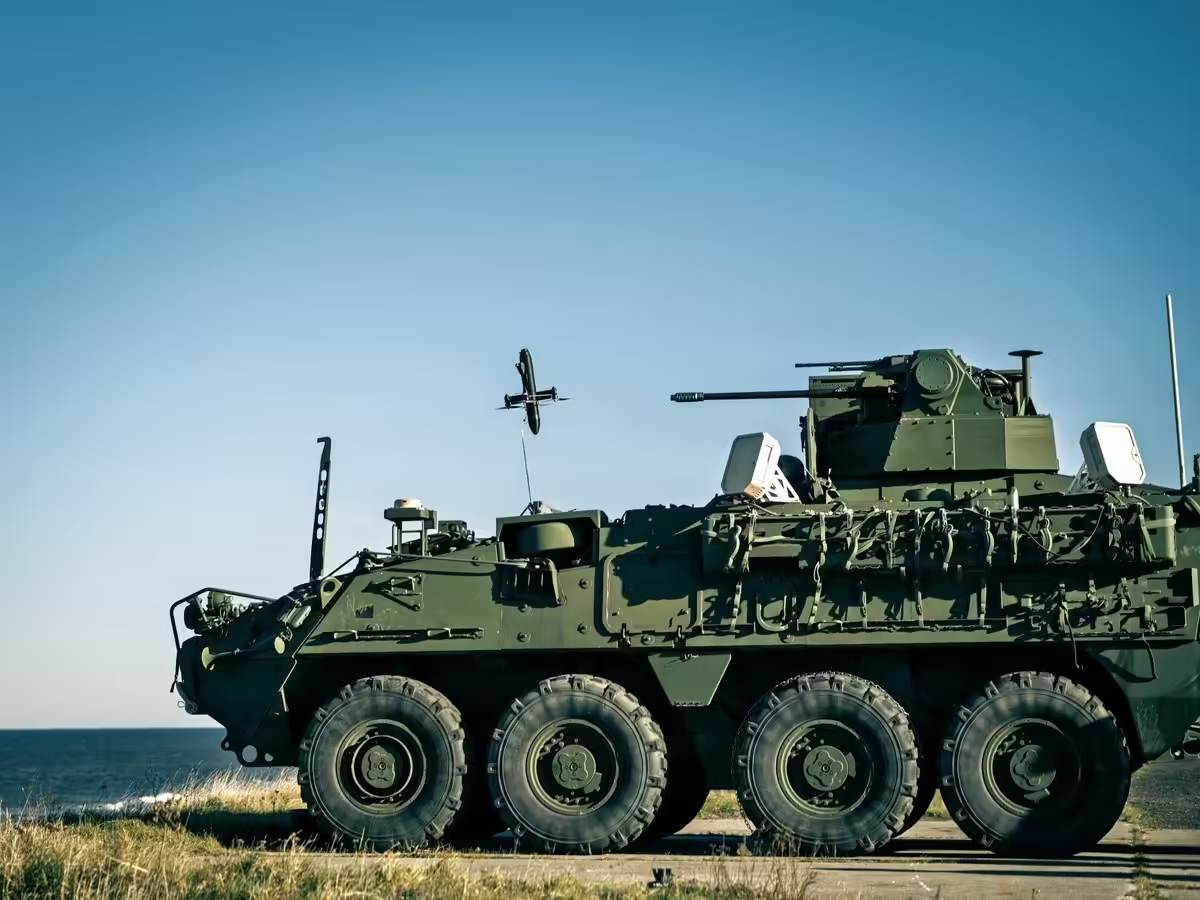

An FD-1 drone is launched from U.S. Army SGT Stout, assigned to Tactics, Integration and Employment Battery, 5th Battalion, 4th Air Defense Artillery Regiment, 52d Air Defense Artillery Brigade, 10th Army Air and Missile Defense Command, during Operation Audacious Fury, Nov. 6, 2026, at Ustka Training Area, Poland. Operation Audacious Fury sought to assess the FD-1 Interceptor to establish a cost-effective, lower-tier kinetic magazine depth against Group 1–3 and massed UAS threats.
View original
USTKA, Poland — In early November 2026, the U.S. Army Europe and Africa’s theater divisional air defense battalion conducted an internal assessment of the FD-1 Interceptor’s counter-uncrewed aerial systems capabilities at the Ustka Training Area, Poland.
Spearheaded by its Tactics, Integration and Employment Battery, 5th Battalion, 4th Air Defense Artillery Regiment, 52d Air Defense Artillery Brigade, the unit conducted Operation Audacious Fury to establish cost-effective, lower-tier kinetic magazine depth against group 1–3 and massed UAS threats.
“There are a lot of systems that we can use to get after defeating the massed UAS threats while staying on the right side of the cost-curve, so we don’t expend our exquisite munitions ineffectively,” said Lt. Col. John Verwiel, the 5-4 ADAR battalion commander.
As such, TIE Battery is not only determining which systems to assess but also solving the problem of how to employ a given system across the force. That means they are the ones developing the associated tactics, techniques and procedures required to teach any novice Soldier how to fly a first-person view drone, such as the FD-1.
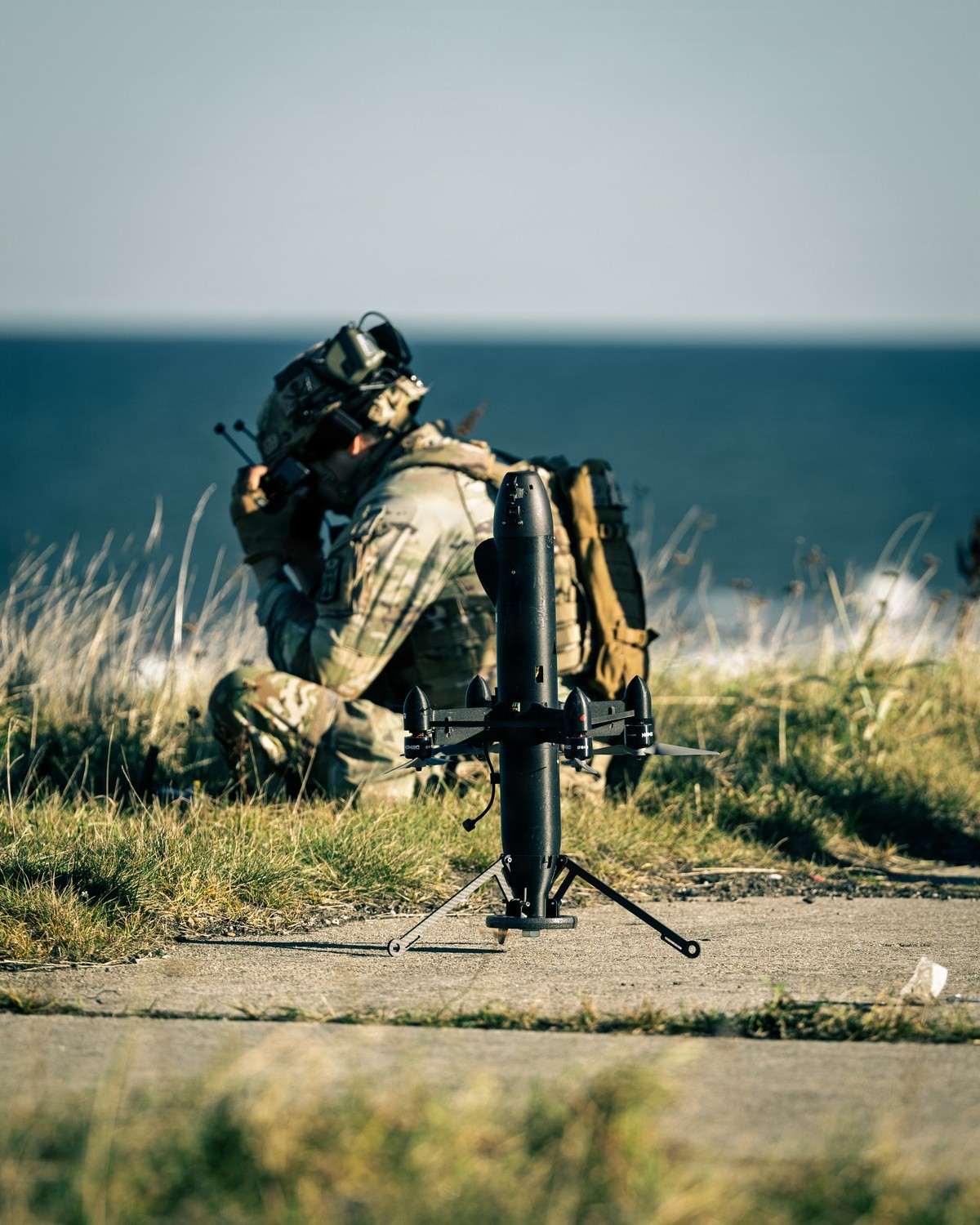
A U.S. Army Soldier assigned to Tactics, Integration and Employment Battery, 5th Battalion, 4th Air Defense Artillery Regiment, 52d Air Defense Artillery Brigade, 10th Army Air and Missile Defense Command, checks the first-person-view goggles of the FD-1 Interceptor during Operation Audacious Fury, Nov. 6, 2026, at Ustka Training Area, Poland. Operation Audacious Fury sought to assess the FD-1 Interceptor to establish a cost-effective, lower-tier kinetic magazine depth against Group 1–3 and massed UAS threats.
View original
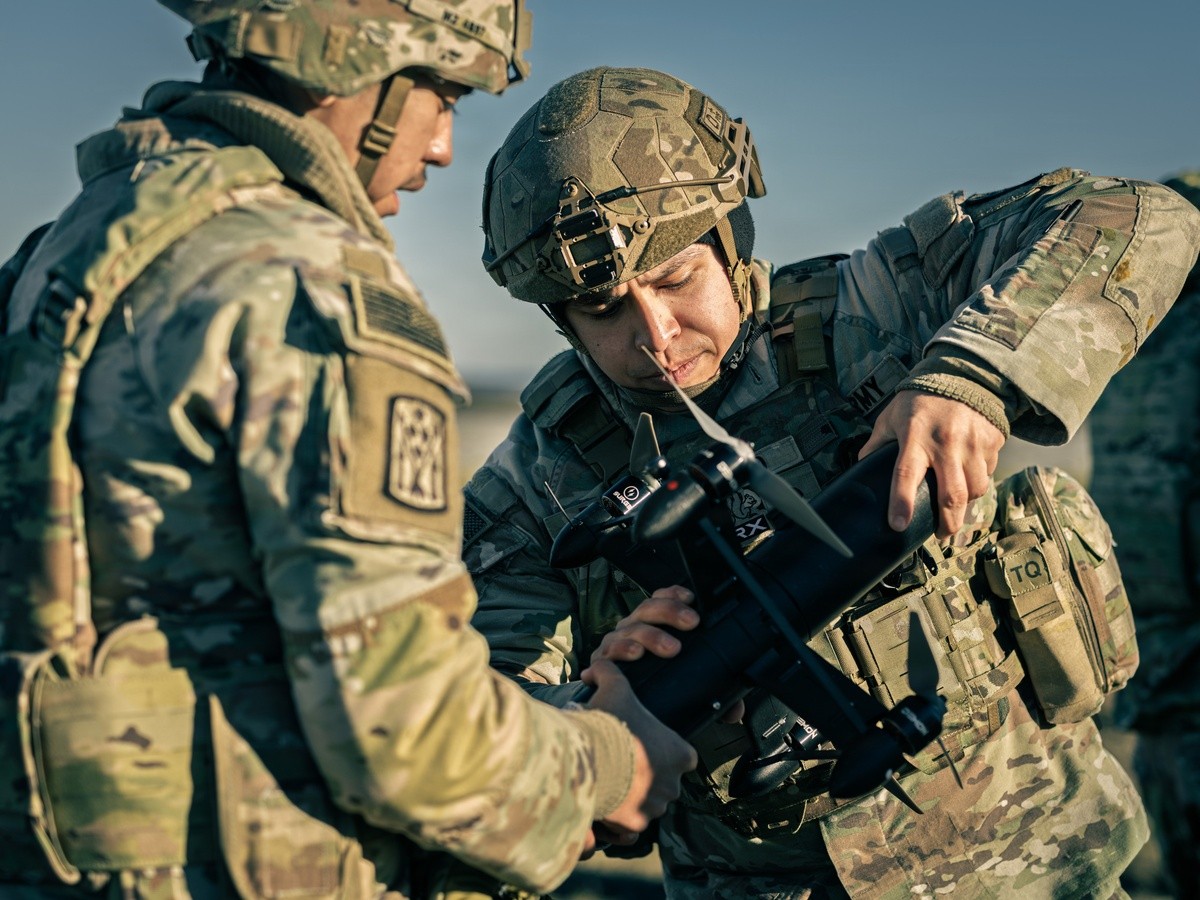
U.S. Army Soldiers assigned to Tactics, Integration and Employment Battery, 5th Battalion, 4th Air Defense Artillery Regiment, 52d Air Defense Artillery Brigade, 10th Army Air and Missile Defense Command, calibrate the FD-1 Interceptor for flight during Operation Audacious Fury, Nov. 6, 2026, at Ustka Training Area, Poland. Operation Audacious Fury sought to assess the FD-1 Interceptor to establish a cost-effective, lower-tier kinetic magazine depth against Group 1–3 and massed UAS threats.
View original
“We came out here to develop the [tactics, techniques and procedures] and our training tabling certification system to get an operator with no knowledge or skills in flying an FPV drone to become a skilled operator,” said Staff Sgt. Felix Aguilar, a platoon sergeant with TIE Battery.
Verwiel agrees and wants to share this capability with other units so they can cost-effectively prosecute massed drone threats in the future.
“What I want to do is standardize the training for it, standardize the engagement process, and then get it out to the force at scale to defeat that mass problem,” Verwiel continued.
Aguilar said he has seen his Soldiers’ knowledge and experience broaden in ways previously unimagined.
“None of my Soldiers thought they would be flying drones when they enlisted as an air and missile defense crewmember … [and] now they’ve certified on the SGT Stout and are flying drones into the Baltic Sea,” said Aguilar.
Throughout this exercise, TIE Battery demonstrated its ability to integrate new capabilities that enable the brigade, as the theater air and missile defense integrator, to dominate the decision-making process at the pace of relevancy.
This will be important not only for TIE Battery or 5-4 ADAR, but as this training progression continues, the Soldiers of TIE Battery will be the trained trainers who will then pass that knowledge, training and certification to other units under the umbrella of USAEUR-AF.
Source: www.army.mil