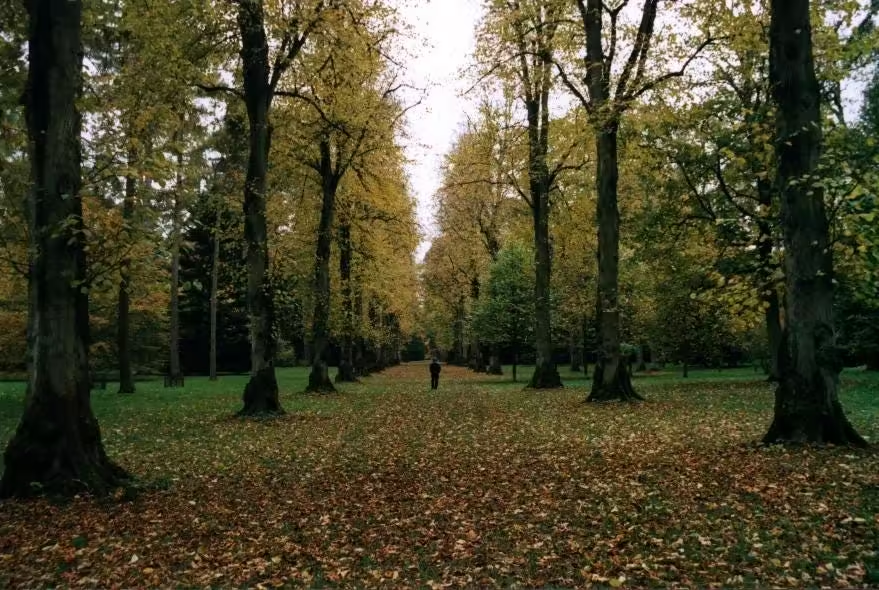

By Toby Porter
It’s the time of year when the colours are strong and diverse enough to astound even a stroppy teenager, so there were a lot of people carriers on my visit. If you’re stumped for a weekend visit, you could do a lot worse. The cars stretched as far as the eye could see.
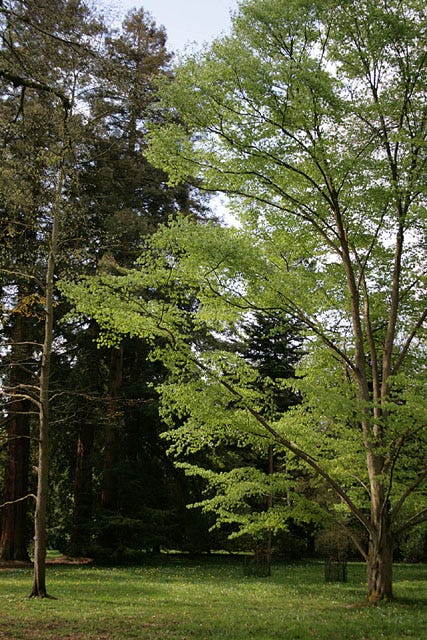
Go along expecting the odd tree. You’ll find 16,000 of them in woods which have been nurtured for hundreds of years.
I’m not usually one for branching out into hippy activities. Tree hugging has associations which deter cynical hacks like me. I’m not one to be bird watching – or pining for the fjords for that matter.
But seeing a 163-year-old sequoia made me spruce up my ideas.
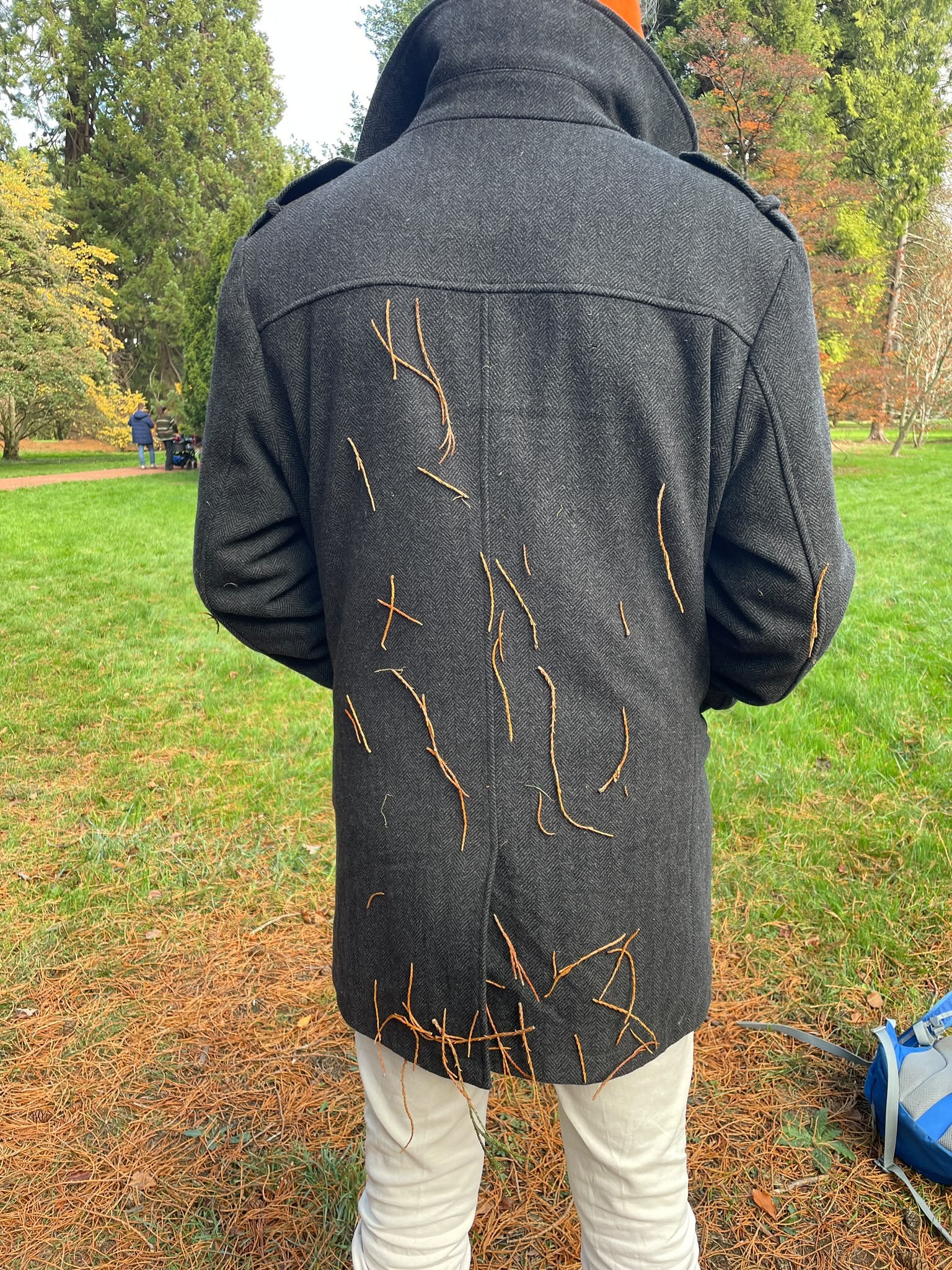
I lay down underneath its branches, which date from around the time of the discovery of the source of the Nile, just to look up. Its needles were thoughtfully arranged in a flat, springy bed on the ground. Later, I did sidle up slowly, when no one was looking, and found a niche where I could reach about a fraction of the way around its 20-ft girth and give it a rough approximation of a hug.
Lo and behold – it didn’t judge me.
No one stared at me like I was a West Ham fan. The sky didn’t cave in.
Turns out, spending time in nature, a practice the Japanese call shinrin-yoku or “forest bathing”, is good for you. Touching nature has been scientifically shown to lower stress hormones like cortisol, reduce blood pressure, and improve psychological well-being.
Trees do release airborne antimicrobial organic compounds called phytoncides which, when inhaled, can boost immune function and help reduce anxiety according to the National Library of Medicine.
Plus, if you get that close, it is not going to slap you with a restraining order. Equally, it’s not going to follow you home like a smitten puppy.
This giant, too, has probably, in its lifetime so far, made a continent-size bubble of oxygen the size of the Marianna Trench.
You can get lost in a place like the National Arboretum – and pretend you’re having a spiritual experience, rather than a failure of navigation.
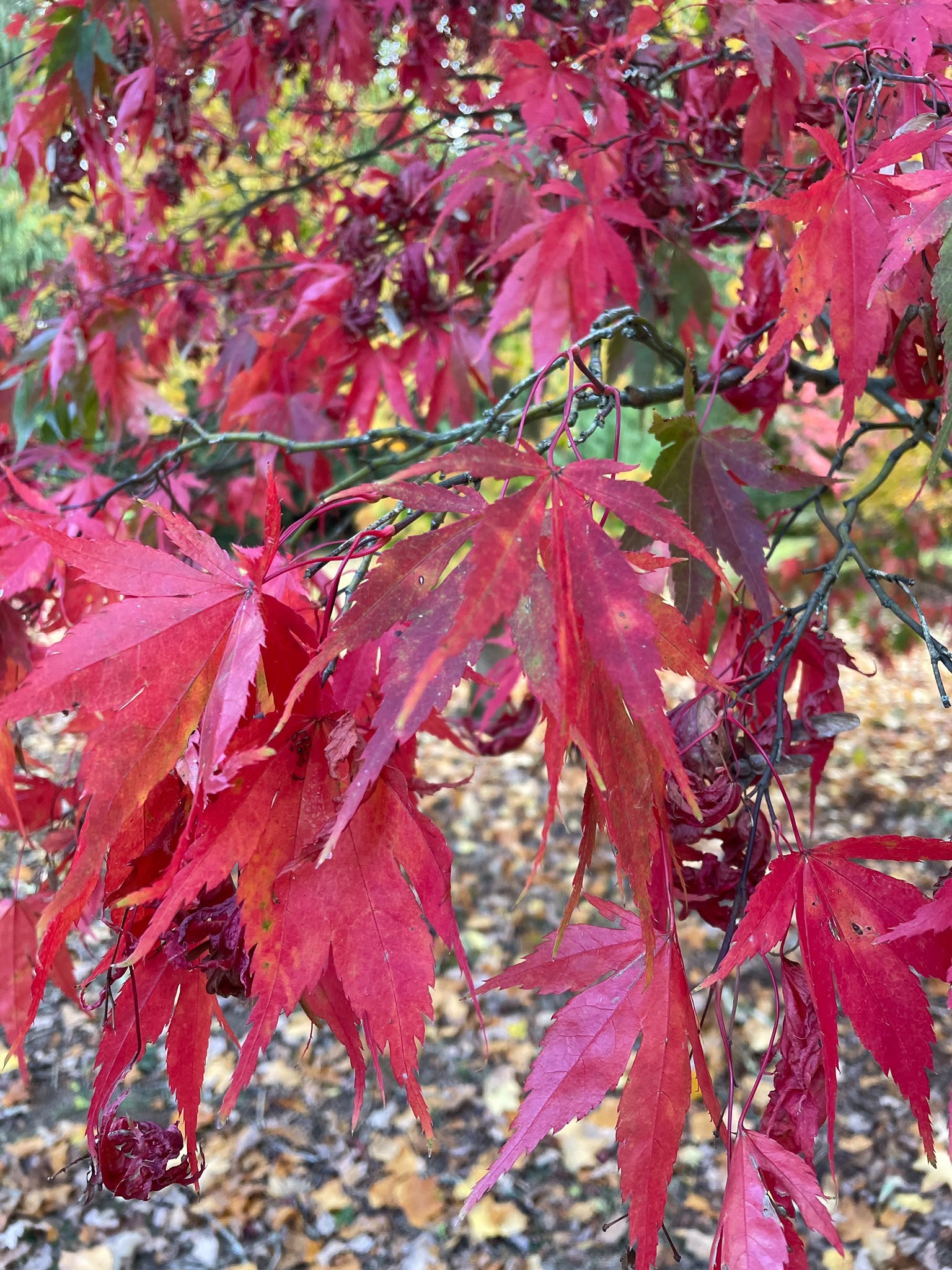
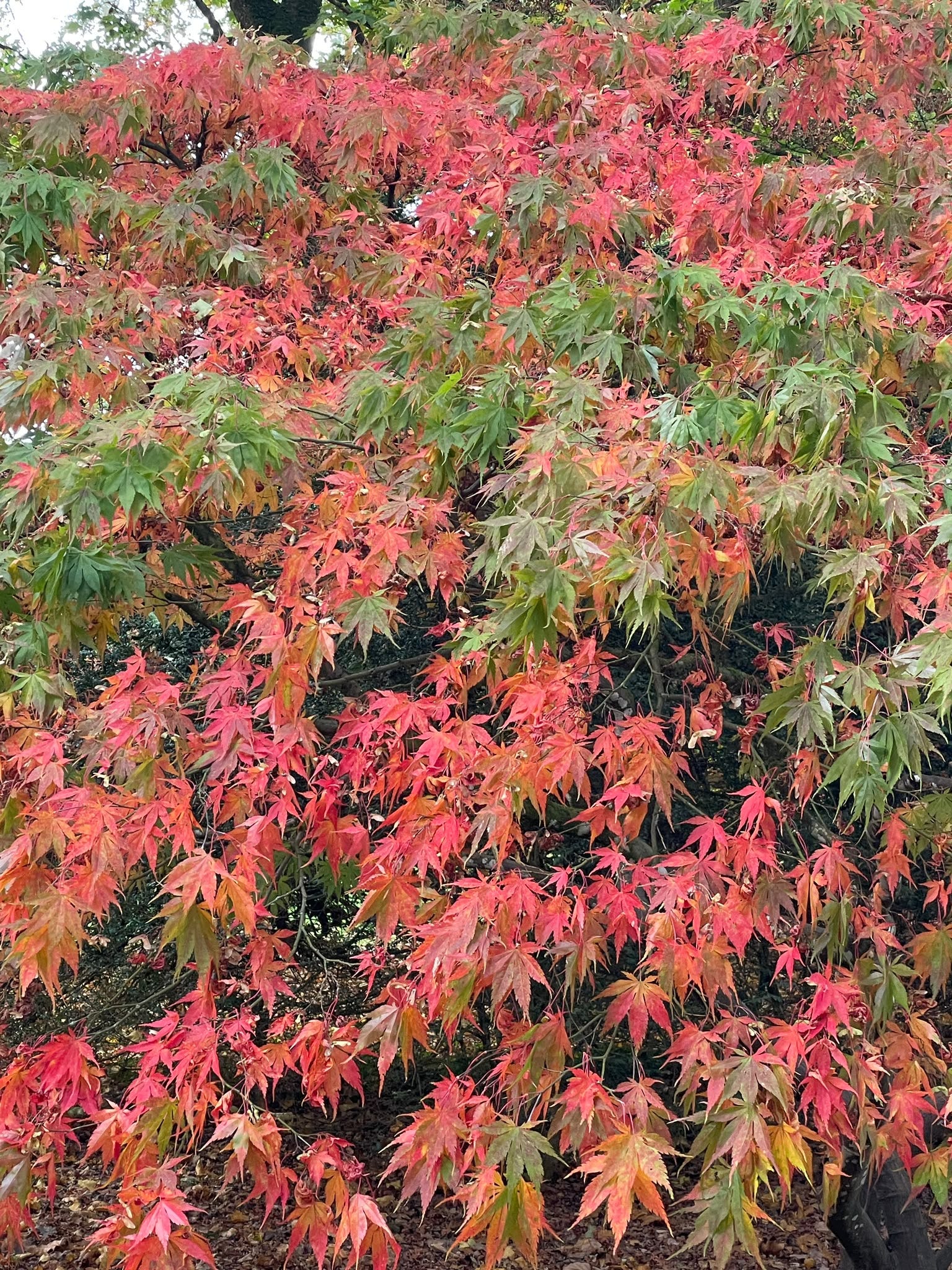
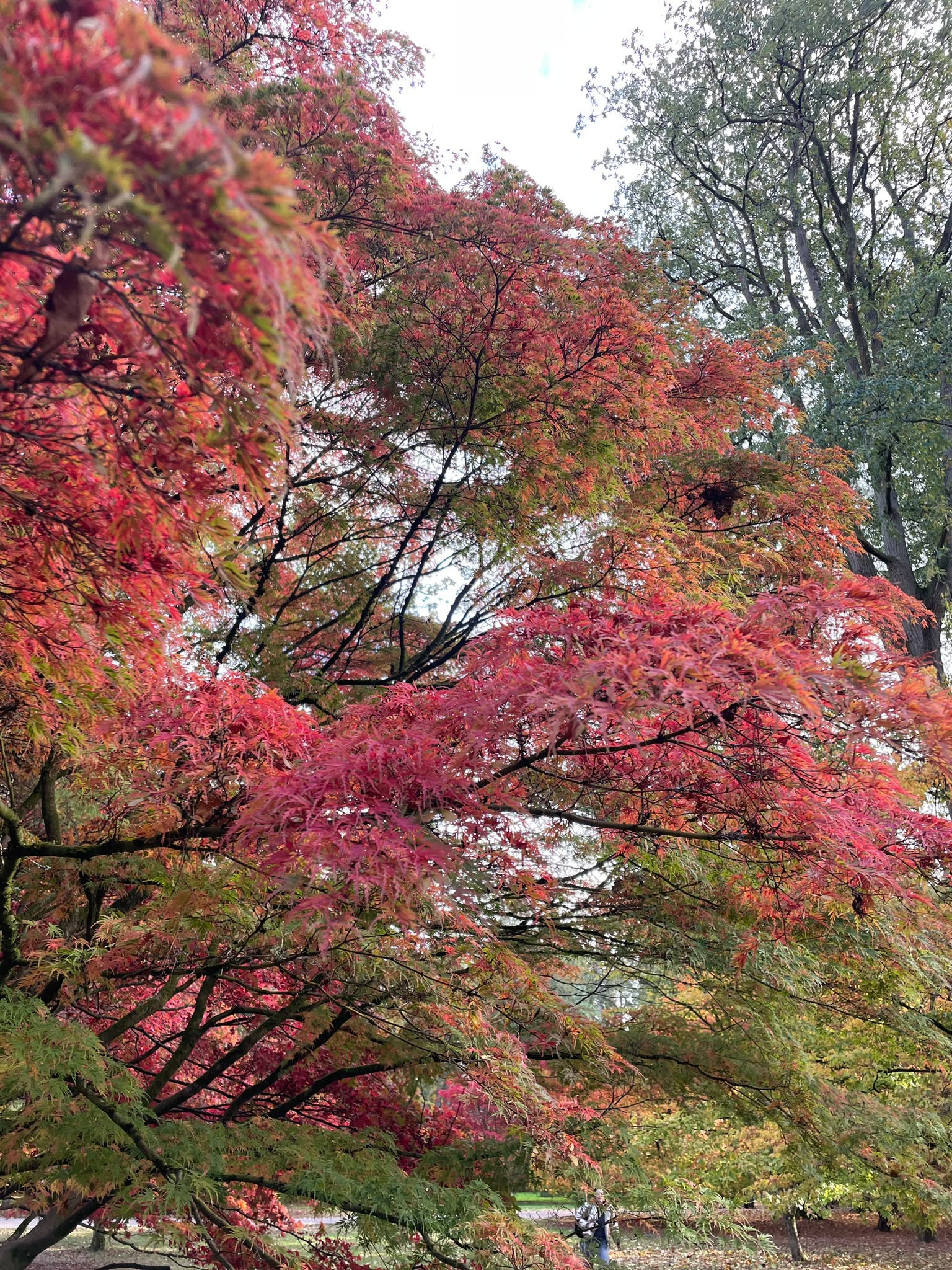
Autumn is when Westonbirt truly shows off. The Japanese maples turn crimson and their fellow countrymen take 400 photographs, of which 397 will be blurry and one will accidentally be of their own thumb. The trees, for their part, just do their thing, as they have since before photography was invented.
The arboretum is split into two areas: the Old Arboretum, planted by the Holford family, whose idea of fun was collecting tree seeds, and Silk Wood, which is older and home to trees that have been there since before Richard III was offering his kingdom for a horse.
There’s an ancient small-leaved lime in Silk Wood which might have been person-sized while King Harold was losing to William the Conker at the Battle of Hastings.
Each tree has a small label telling you its Latin name, its homeland, and roughly when it was planted. If you stand there gawping long enough, someone might label you.
Dogs do love a tree, but for different reasons than humans, of course. But owners Forestry England still let them in to Silk Wood (but not the Old Arboretum), which is nice – for the dogs. I only saw two canine conflabs in my two hours there. Children under 18 go free, but the lack of shouting, crying, taunting and hair-pulling indicated to me there must have been a shortage of gummy bears, or at least E-numbered confectionary, in all the nearby shops.
So if you feel like logging in, staying grounded but reaching for the sky, now is the time to go to the National Arboretum.
For me, it was certainly worth turning over a new leaf.
Source: toby393.substack.com