
When President Trump and his allies in Congress moved to end the EV subsidy, automakers braced for a crash in electric car sales. Tesla (TSLA), the US leader, was especially vulnerable, because it didn’t have gas-powered vehicles to lean on, and keeping prices as low as possible was crucial to competing with EV rivals.
But those initial worries gave way to optimism.
In a new regulatory environment, one that was more hostile to EVs, Tesla used the disappearing $7,500 tax break as an advantage. It lost a valuable subsidy, but used its scale to win a war of attrition, thereby consolidating the market. Other firms needed the subsidy even more, and though Tesla got hurt, the damage was less than its peers’ in many ways.
On top of that, a new barrier to entry was in place, and Tesla’s competitive moat got wider.
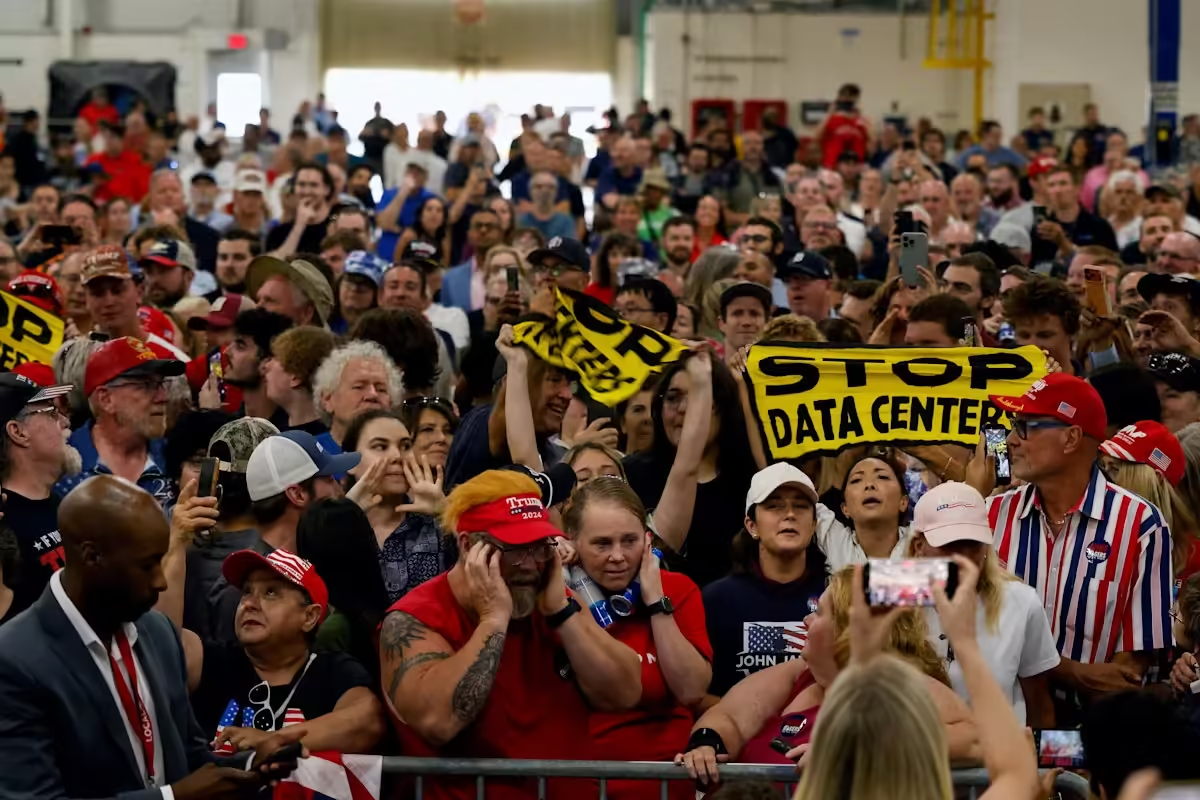
That’s a roadmap for how Big Tech could navigate the data center backlash. And it helps explain why many investors are bullish on hyperscaler stocks despite a nationwide referendum against data centers and notable victories from candidates opposing them.
An interview this week with Meta’s (META) president demonstrates the point.
Speaking at the WSJ Tech conference on Wednesday, Dina Powell McCormick said getting data centers built is “going to be harder” after sweeping Democratic victories. But existing players like Meta will have an easier time building on their current projects, she said, “because you’ve had a major track record for a few years, and the community has felt those benefits. They haven’t felt cost. They’ve actually felt benefits.”
That’s another way of pointing out how incumbents have an advantage.
Even with new political headwinds against data centers, firms with the infrastructure already in place can benefit from what they already have, especially if high demand keeps data centers as a scarce resource.
“Data centers still get built, but barriers to entry are rising, and new construction starts should migrate to friendlier states,” wrote Jefferies analysts in a note published on Thursday.
Similar to Tesla, new regulations (or the absence of subsidies) tend to hurt new entrants, who have fewer resources to shoulder the administrative and financial burdens. If temporary bans and restrictions prevent new data centers from being built, the tech giants who already control existing campuses stand to benefit.
On top of that, investors are also embracing the idea of a spending slowdown.
If AI companies are forced to pull back on capex, that may also solve their free cash flow and debt problems that Wall Street has dinged them on this year.
Like the end of the EV subsidy for Tesla, a more restricted approach to AI may look like a bearish catalyst for the tech giants. But after a closer look, it may also make them the last ones standing.
Follow Hamza Shaban on X @hshaban.
Source: finance.yahoo.com