
Editorials
One month after prosecutors lost investigative powers, jurisdiction disputes, delays and weak police expertise are straining Korea’s criminal justice system.
One month has passed since Korea abolished the Prosecution Service and completely separated criminal investigations from indictments. The overhaul was intended to disperse concentrated authority, establish checks and balances among criminal justice agencies and protect citizens’ fundamental rights. But the hastily implemented reform has instead created widespread confusion. Investigators and ordinary citizens alike are struggling to navigate the new system.
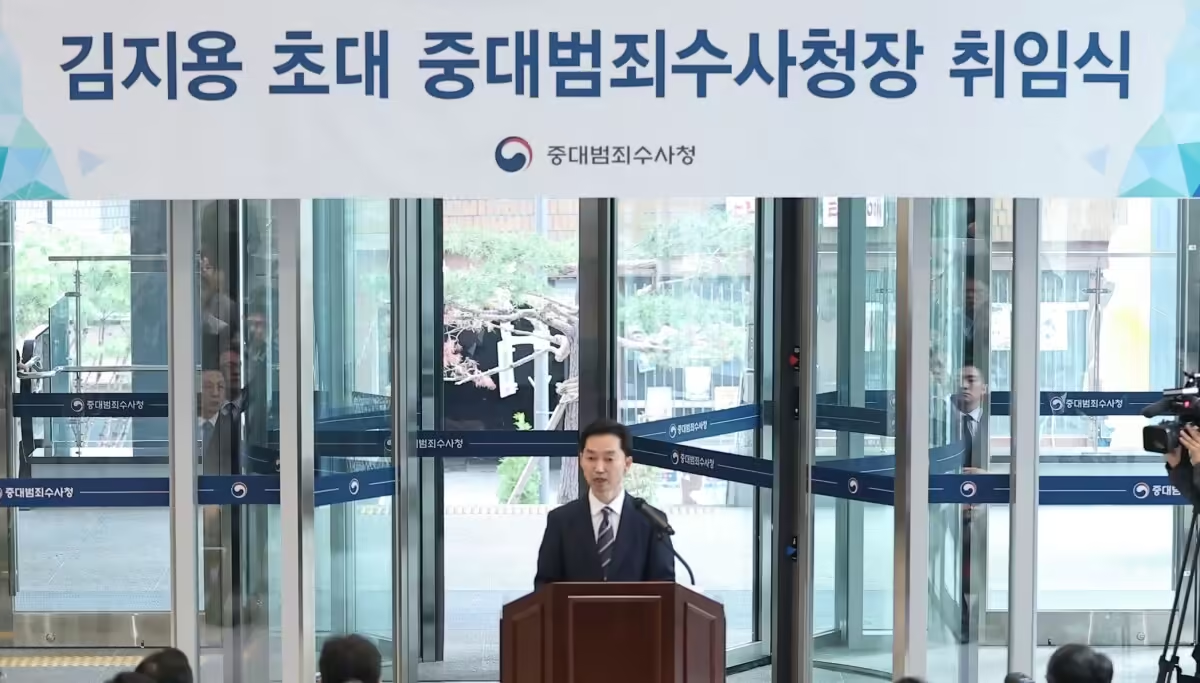
The Serious Crimes Investigation Agency (SCIA), launched as Korea’s answer to the FBI, has delivered disappointing results. As of Oct. 30, SCIA offices nationwide had referred just three cases to the prosecution and arrested only five suspects during their first month.
Unclear jurisdictional boundaries have repeatedly forced agencies to transfer complaints and investigations. A dispute between the SCIA and police over responsibility for investigating cyberattacks against financial institutions resulted in the police ultimately taking charge.
Requests for supplementary investigations from the Public Prosecution Office have increased 60.2 percent compared with the same period last year. Because prosecutors no longer possess investigative authority, even minor typographical errors or wording changes in warrants must be referred back to police.
Evidence newly submitted during trials also cannot be processed directly through prosecutors, requiring repeated exchanges between police and prosecutors. Further delays in criminal proceedings appear inevitable.
Meanwhile, police now holding exclusive authority over ordinary criminal investigations have exposed shortcomings in expertise. Some 9.2 percent of investigative officers have no previous investigative experience. Specialized capabilities in corporate crime, tax offenses and stock manipulation are even more limited. The situation has prompted discussion of establishing a law school at the Korean National Police University.
None of these problems was unexpected. Critics repeatedly warned that the reform would create operational gaps without adequate preparations.
Organizational discipline has also suffered. Disputes over appointing the inaugural SCIA chief have included a regional office head publicly attacking a superior, exposing internal tensions within the newly established agency.
These difficulties reflect a reform process in which political considerations prevailed over legal and institutional requirements. The government rushed to eliminate prosecutors’ investigative powers without establishing sufficient mechanisms to fill the resulting gaps.
If these shortcomings persist, criminals will ultimately benefit from weakened enforcement and delayed proceedings.
Although the reform has begun poorly, authorities must urgently improve operational readiness and minimize gaps in policing and investigations. Supplementary legislation and practical corrective measures should also be introduced without delay.
Otherwise, repeated disruptions could eventually undermine Korea’s criminal investigation and justice system, which has long enjoyed international recognition for its effectiveness.
This article was originally written in Korean and translated by a bilingual reporter with the help of generative AI tools. It was then edited by a native English-speaking editor. All AI-assisted translations are reviewed and refined by our newsroom.
Source: www.koreajoongangdaily.com