
The decision also directs authorities to deport nationals of the two countries who do not hold valid residence permits.
The expansion comes days after US President Donald Trump described Libya as “terror-infested” during a political rally in Georgia, prompting Libyan authorities to summon the US chargé d’affaires and lodge a formal protest.
Trump later said Libya could not remain a corridor for illegal migration. However, the eastern administration did not cite his remarks as a reason for the new restrictions.
Four African countries were already on the list
The latest decision extends restrictions introduced in June against nationals of Sudan, Eritrea, Ethiopia and Somalia. The eastern administration said at the time that the measure was part of a reorganisation of foreign nationals’ entry into Libya.
Diplomats and their families are exempt from the restrictions, as are authorised professionals working in medicine and education.
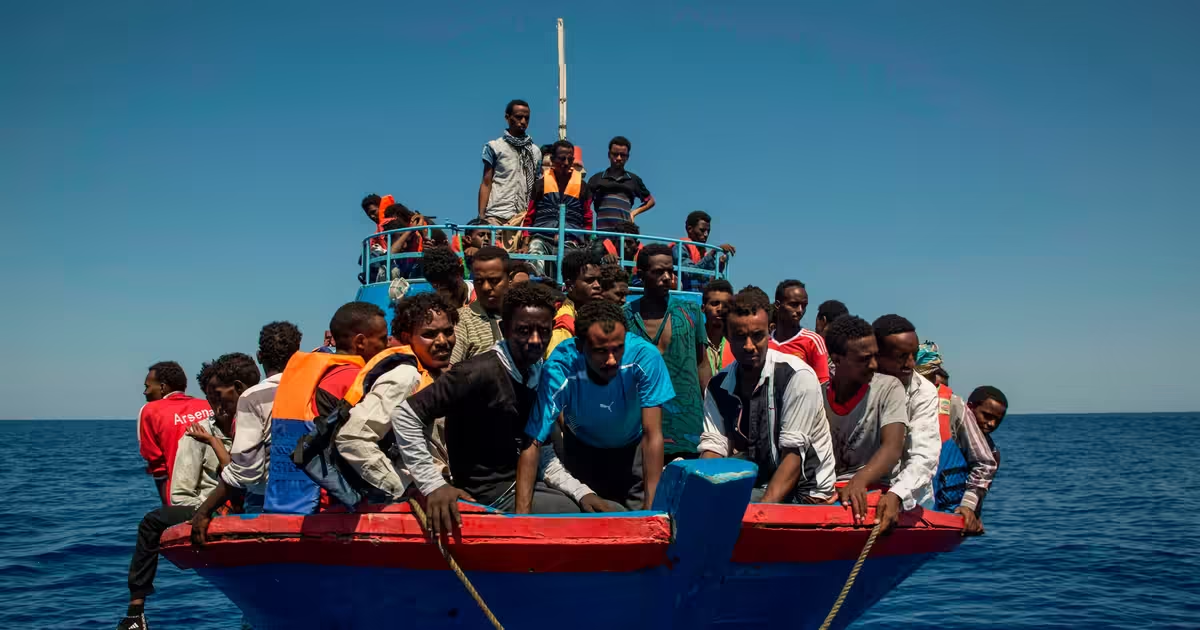
Libya remains one of the main transit points for migrants and refugees attempting to reach Europe through the Mediterranean. Many travel through the country after fleeing conflict, insecurity and economic hardship elsewhere in Africa, hoping to cross the sea to Italy and other European destinations.
United Nations data collected in June put the number of migrants living in Libya at more than 900,000, with Sudanese nationals forming the largest group.
The country has been divided between rival administrations in the east and west since 2014. The eastern government, allied with military commander Khalifa Haftar, controls the east and large areas of the south, while the internationally recognised Government of National Unity is based in Tripoli.
The latest restrictions therefore reflect a decision by the eastern administration, rather than a nationwide entry ban announced by Libya’s internationally recognised government.
Source: africa.businessinsider.com