
November 6, 2026
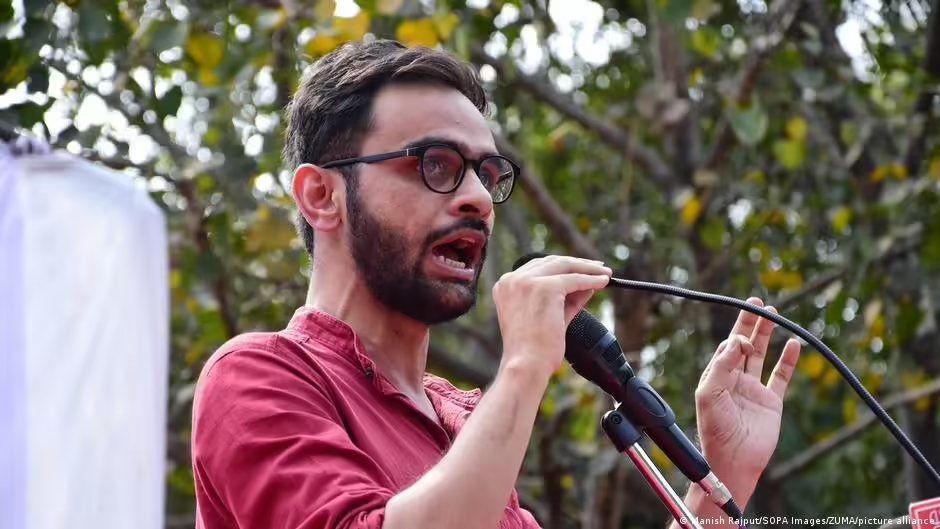
Umar Khalid, Sharjeel Imam turn to top court for bail, citing stalled witness testimony
Activists Umar Khalid and Sharjeel Imam approached the Supreme Court on Thursday for bail once again in the 2020 Delhi riots “larger conspiracy” case.
They are challenging a September 30 Delhi High Court order that rejected their pleas, Bar and Bench reported. The pleas had not yet been listed for hearing.
The High Court held that judicial discipline bound it to the Supreme Court’s January 5 order and that it could not alter the terms set there. In that order, the top court refused bail to the two while granting relief to five co-accused, saying they “stand on a qualitatively different footing as compared to other accused,” local media reported.
The ruling allowed them to reapply once the protected witnesses had been examined or a year had passed, whichever came first.
Imam says he has spent six years and nine months in jail as an undertrial without the prosecution examining any of its 47 protected witnesses, Live Law reported. He argues the witness condition is therefore unlikely to be met in time.
The pleas also say over 900 witnesses are yet to be examined and that continued imprisonment violates the right to life and liberty under Article 21.
On May 18, another Supreme Court bench criticized the January order, observing that “bail is the rule and jail is an exception” even under the anti-terror law UAPA.
Delhi Police have described the two as “masterminds” of the violence that took place in February 2020. However, nearly seven years later, the trial has not yet begun.
Edited by:Sean Sinico
https://p.dw.com/p/5P8Rx
November 6, 2026
Welcome to our coverage
Hello again!
This is Seerat from DW’s Studio Delhi. The lights are up and sweets are out as the city gears up for the festive season. But a resurgence of the toxic winter air is truly killing the vibe.
Umar Khalid and Sharjeel Imam have approached the Supreme Court once again for bail, after having spent over six years in jail even as their trial is yet to begin.
Meanwhile, the top court, in a separate case, has ruled that the 24-hour deadline within which an accused must be produced before a magistrate starts from the moment of “detention” and not “arrest.”
For this and more, follow our live blog.
Edited by:Sean Sinico
https://p.dw.com/p/5P8OS
Source: www.dw.com