
If you’re shopping for a car, buying used can be a smart move. Plenty of pre-owned vehicles are solid deals, and they cost roughly half the price of a new one. But a used car comes with baggage you can’t always see. Its previous owners might have pushed it hard, skipped maintenance or left behind expensive problems waiting to surface.
Before you sign anything, it helps to know which popular picks come with baggage. Automotive experts Melanie Musson and Jason Allan have flagged five models they’d steer clear of on the pre-owned market, plus one bonus warning that applies to almost any used car.
Check Out: Worried about market swings? See why investors are moving to gold and silver IRAs
Read Next: FREE 2026 Investor Guide + Up to $25,000 in Silver with Qualifying Purchases
Hyundai Tucson
Advertisement
Advertisement
Hyundai is generally well-rated, but ISeeCars places even a new Hyundai Tucson at only 6.8/10 reliability. When you buy used, you’re more likely to get hit with ownership issues sooner than if you’d bought it new.
“The Tucson has a history of oil consumption issues, transmission failure and glitching safety features,” said Melanie Musson, an industry expert with AutoInsurance.org. “So many parts have a history of problems that I’d rather avoid them altogether.”
The Tucson also has a typical lifespan of 119.4k miles, which is under a decade for your average driver. If you get one that’s already a few years old, make sure it’s got a clear history and low mileage.
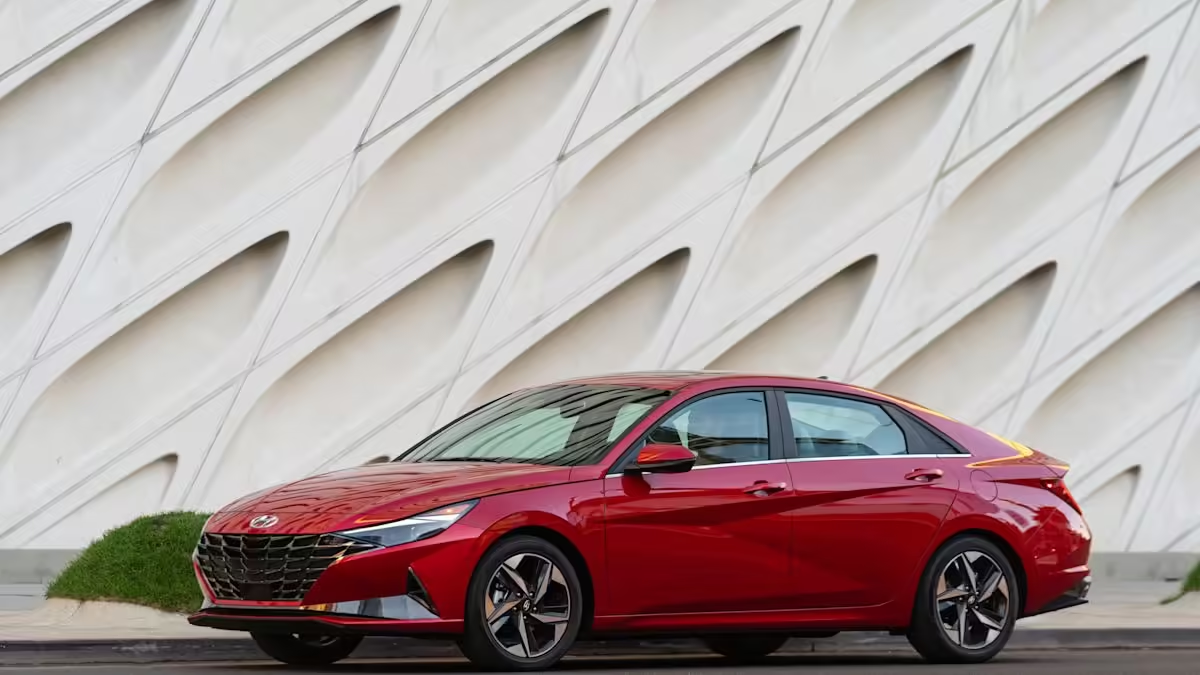
Hyundai Elantra
Advertisement
Advertisement
The Elantra ranks only slightly better in terms of reliability with a 7/10 score. This vehicle lasts an average of 134.4k miles, which might sound great at first. If you’re buying used, though, and it’s already halfway to that point, it might not last too long.
Musson said she wouldn’t get this vehicle used primarily because of its engine.
“CVT engines, in general, are complicated and problematic,” she said. “The CVT in some Elantra models is even worse than average. Even the paint isn’t made to last and tends to peel, leading to rust and a terrible-looking vehicle.”
The typical pricing between new and used models isn’t much different, so you might be better off buying new from the get-go.
Kia Forte
Advertisement
Advertisement
The last year for the Kia Forte was in 2024, but it can be a budget-friendly vehicle to buy. The average listing price is nearly the same for the new and used versions. By that alone, you might as well go with new — or as new as possible.
Still, you might not want to buy used Kias. ISeeCars gives these vehicles an average reliability rating of about 6.8 to 7.5 out of 10.
“Hyundai and Kia are notorious for engine and transmission failure,” Musson said. “A decade or two ago, they were basically ‘cheap cars’ that lived up to the price tag. They’re a lot better now, but it appears that the engineers design the vehicles to be problem-free until the warranty expires, and then they fall apart.”
If you want something similar to the Forte, consider the Kia K4 instead. Purchased new, it has a starting MSRP of $23,535.
Nissan Rogue
Advertisement
Advertisement
ISeeCars ranks the Rogue as the 6th most reliable Nissan vehicle in 2026. It’s designed to last longer than many of the other vehicles on this list, with an average of 150,069-mile lifespan. Its reliability score is 7.3/10.
Still, Musson suggested against getting this particular SUV used.
“Once again, the CVT is one of the major problems,” she said. “Nissan’s CVTs are notoriously among the worst.”
Land Rover Range Rover
The Land Rover Range Rover has a 7/10 reliability score, and that’s when you buy it new. For the price, you might want something more trustworthy as far as vehicles go.
Advertisement
Advertisement
“New Range Rovers are incredibly expensive, so it can be tempting to buy a used model, but I wouldn’t, because there’s a reason they depreciate so quickly,” said Musson. “They’re unreliable and prone to problems, from the suspension to the engine to the infotainment system.”
Notably, some of these vehicles can get 200,000+ miles with proper maintenance and repairs. So, if you’re already investing in one, new might be the way to go.
Bonus: Base Models
You might also want to avoid buying a used base model, even if the make and model are normally considered quite reliable.
“I stay away from base models in general, because even one step up in trim is often a meaningful leap in equipment. And the cost of that upgrade is even less when buying used,” said Jason Allan, founder of used-car marketplace Bestest.
Advertisement
Advertisement
He also noted that many of these vehicles come from rental and corporate fleets, which aren’t always treated as well as personal vehicles.
The Bottom Line
Used cars aren’t a bad idea. Plenty of pre-owned vehicles are solid buys that cost far less than new. The key is doing your homework: pull the vehicle history report, get an independent pre-purchase inspection, and ask for maintenance records. A pre-owned model with a clean history and a good service record can be a better deal than a shiny new one.
This article was provided by MoneyLion.com for informational purposes only and should not be construed as financial, legal or tax advice.
More From MoneyLion:
Source: autos.yahoo.com