
Series I savings bond purchases perked up in two key ways this month.
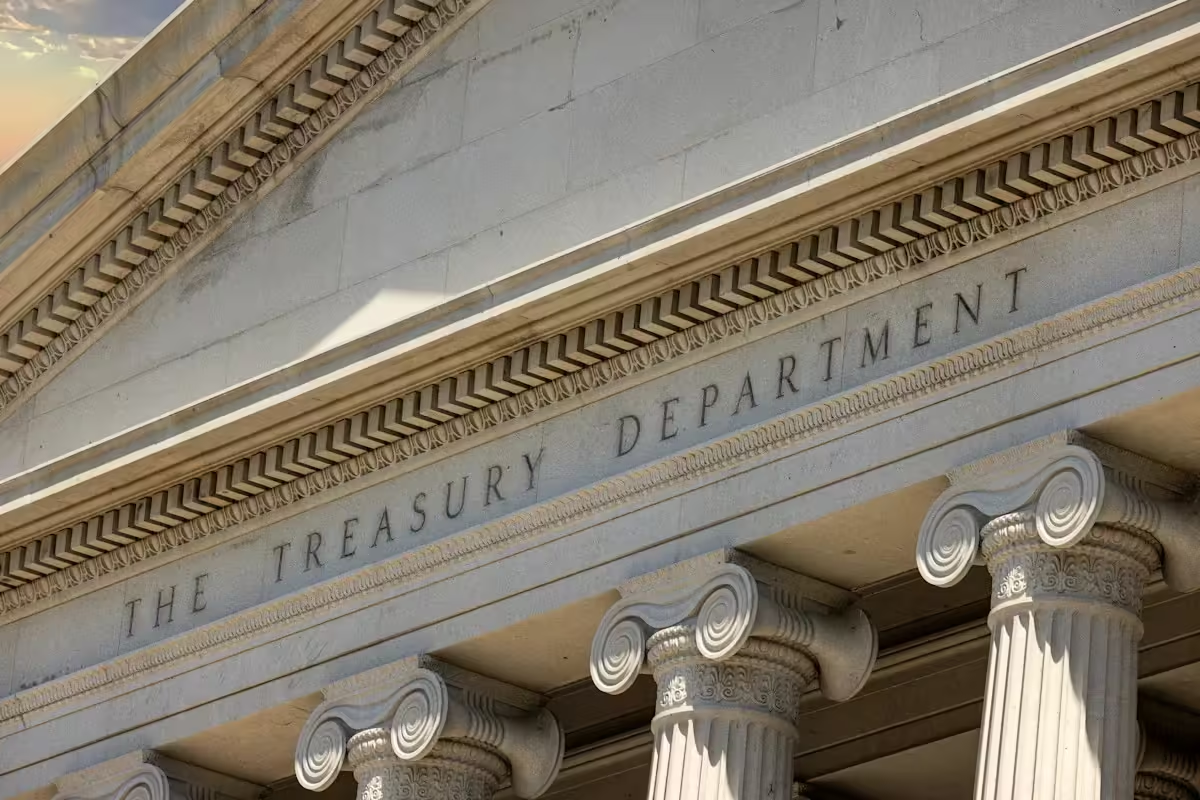
First, the annualized yield for new I bond purchases made through April is now 5.51%, up from the 4.26% annual return in effect since May, the Treasury Department announced on Friday.
Compared with other savings options on the market, like CDs, high-yield savings accounts, and short-term Treasurys, that rate is appealing.
Read more: Should you buy Series I bonds as inflation persists?
I bonds had lost some luster from the heady days when they were wildly popular amid soaring inflation, which pushed the annualized rate to 7.12% in November 2021 and a record 9.62% in May 2022.
The second reason new I bond purchases just got better: They have a new fixed rate of 1.40%, up from 0.90%. The fixed rate applies for the life of the bond and is added to the I bond inflation rate, which changes every six months based on current inflation.
The annualized rate, or composite/earnings rate, for an I bond is calculated by combining the fixed rate and the semiannual variable inflation rate.
The Treasury Department resets interest rates for Series I bonds on Nov. 1 and May 1, and at times when inflation is top of mind, people pay attention to these changes. The date you buy your I bonds dictates your returns.
Your retirement savings need to keep up with inflation, which is hovering around 3.7% and has risen in six of the past eight months. Series I bonds are built to do just that.
“For those interested in I bonds for the long term, the fixed rate is much more important than the variable inflation rate, which changes every six months,” Ken Tumin, co-founder of DepositQuest.com, a blog that tracks I bond rates, among other deposit accounts, told Yahoo Finance.
“The fixed rate remains with the I bond until it’s redeemed or until it reaches its 30-year maturity. It ensures that the I bond value will grow above inflation.”
Investing in I bonds
I bonds can be purchased in allotments of $25 or more when you buy them electronically from the US Treasury’s website, TreasuryDirect, with no fee. Paper bonds are sold in five denominations: $50, $100, $200, $500, and $1,000.
Normally, you can’t buy more than $10,000 in I bonds each calendar year, but there are a couple of ways to bump up that amount. For instance, you can direct your federal tax refund to buy an additional $5,000 in I bonds.
The interest is generally free from state and local taxes. If you qualify, you might also be able to avoid federal income tax if you use the interest to pay qualified higher education expenses in the same calendar year you redeem the eligible I bonds.
Source: finance.yahoo.com