
A child diagnosed with cancer in a wealthy country has more than an 80 percent chance of surviving. In Syria, one hospital has managed to bring survival rates to 76 percent, despite years of war and severe shortages, while in parts of Nigeria, survival remains around 30%.
For Dr. Khaled Ghanem, a pediatric oncologist who directs a cancer unit in Damascus, the difference is not necessarily the disease itself, but whether children can access the treatment they need.
“A curable disease is dependent on the health system available,” Ghanem said.
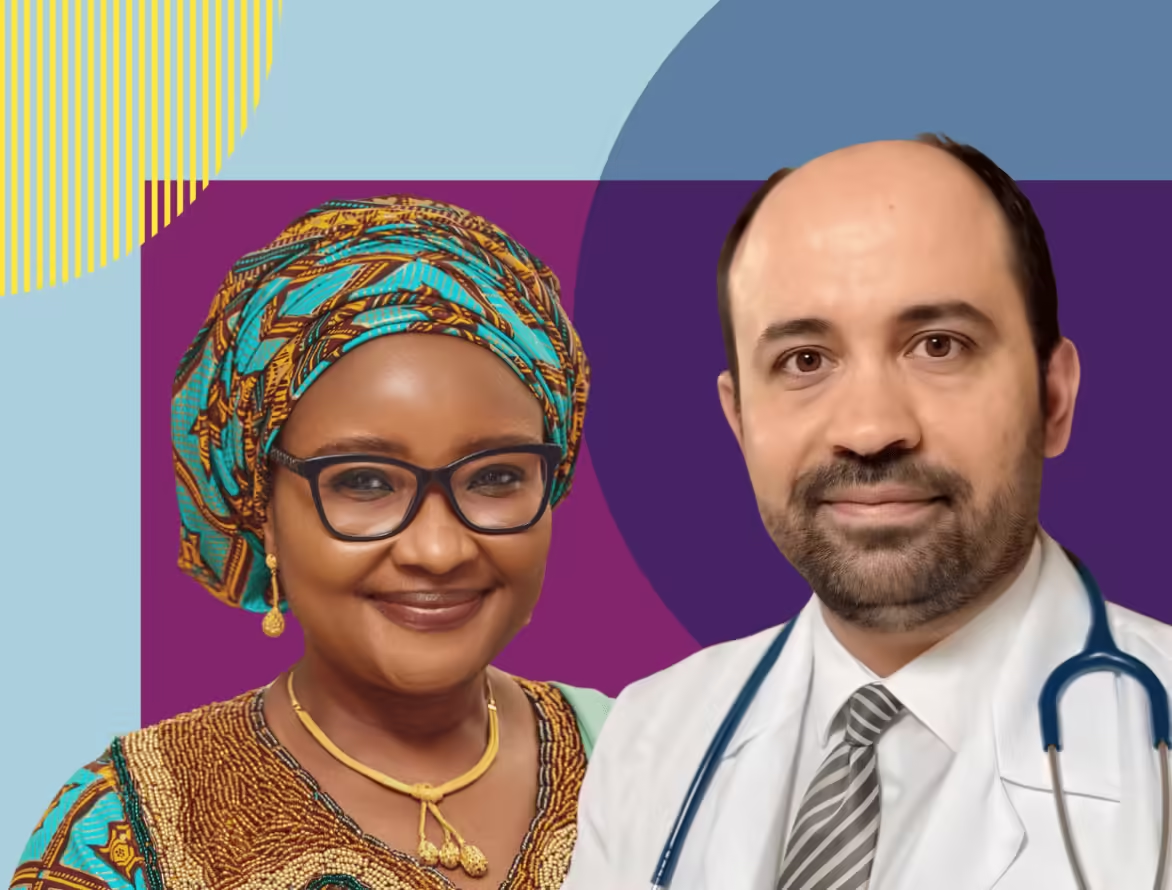
Speaking on the latest episode of Global Health Matters, Ghanem joined Dr. Zainab Shinkafi-Bagudu, founder of Nigeria’s Medicaid Cancer Foundation and president-elect of the Union for International Cancer Control, to discuss how partnerships, early diagnosis and financial support can improve childhood cancer survival in resource-limited settings.
Ghanem’s unit, operated in partnership with the non-profit BASMA, treats approximately 400 children annually, working with international partners to secure medicines, specialised diagnostics and training. He said the programme operates on an annual budget of approximately $1.5 million.
In northern Nigeria, Shinkafi-Bagudu described a different set of challenges, including late diagnosis, limited access to hospitals and treatment costs that can force families to sell their homes or farmland.
“I have seen children that move from stage two to metastatic and even palliative care stages simply because they’re not able to access that care,” she said.
She also warned that many families and healthcare workers still do not recognise childhood cancer as a possibility, delaying diagnosis until treatment becomes more difficult.
Both experts emphasised that improving survival requires more than medicines, including stronger health systems, partnerships and practical support that allows families to complete treatment.
“We can cure it; it’s one of those with a good outcome,” Shinkafi-Bagudu said.
Watch more episodes on Health Policy Watch >>
Image Credits: Global Health Matters.
Combat the infodemic in health information and support health policy reporting from the global South. Our growing network of journalists in Africa, Asia, Geneva and New York connect the dots between regional realities and the big global debates, with evidence-based, open access news and analysis. To make a personal or organisational contribution click the donate button below.

Source: healthpolicy-watch.news