

Simplified: Sioux Falls Simplified spoke face-to-face with dozens of legislative candidates in the metro area. All candidates were asked the same slate of questions, and you can find comprehensive coverage for each district at sfsimplified.com.
Don’t know your legislative district? This interactive map can help you find it.
Here’s what we asked:
What policies do you want to see enacted to support re-entry and reduce recidivism – especially in light of the new prison being built in Sioux Falls?
Here’s what candidates said:
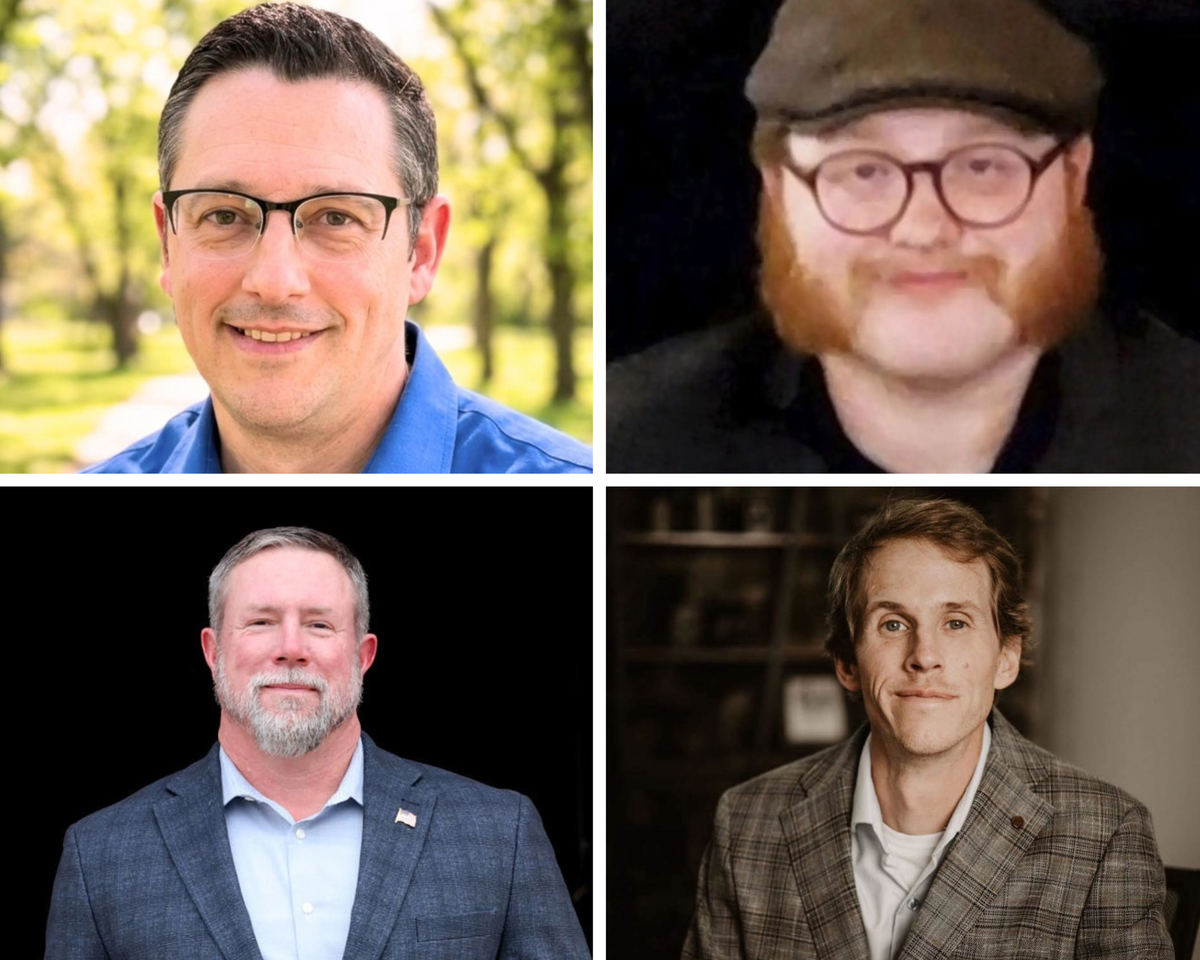
District 2
Adam Long: “Thank you for asking that question. I am a huge proponent of, we’ve got to quit focusing on how much money we’re spending on buildings. The reality is when we got this prison bill put thru one of the biggest thing we kept pushing. Recidivism is out of control. Parole programs are out of control.
- “We need to get a purpose back into these people’s lives. Many have been put behind bars before they even had a purpose in their lives
- “When people have a purpose, people tend to do well. They wake up in the morning with a purpose-driven mentality, which is very different than waking up not knowing what they’re going to do that day.”
Manuel Luschas: “I have not had any personal experience with this, so, again, I’m not an expert on this topic. But I agree with the opinions that I’ve heard that we need to have better programs in the penitentiary to help people get on their feet again.”
Blake Rife noted that his wife works in the state penitentiary as a mental health professional.
- “The thing that she talks most about when she comes home is basically people not having the interpersonal communications skills they need to be successful. People grew up in environments that were dysfunctional, started making bad choices and ended up in prison. It doesn’t mean they didn’t do the things they did, but I think most of them didn’t want to do those things in the first place. …
- “Eventually they’re gonna get out and when they do they need to feel like they have a voice, they have the tools they can use to be successful.”
See more from District 2 candidates here:
Meet the Dist. 2 folks looking to represent you in Pierre
District 2’s lone state senate seat has already been decided as Sen. John Sjaarda will return to Pierre unopposed and in a new chamber. But, the district has three men vying to represent its people in two open seats in the South Dakota House of Representatives.
District 6
Garret Campbell said he wants to see a vocational program that gives incarcerated people important skills that can be used in day-to-day life and help them get a job when they’re released.
Jerry Jongeling: “I am all for helping with recidivism – the education to help people when they’re released start their life, start their career, whether it’s a career or just put them on the right path.
- “We do have a ton of resources, and we’re going to be the anchor where people are going to be released into our community, we definitely need the education, all the program we can to help them.”
Elliott Neff: “I don’t have a quick answer on this one,” Neff said, detailing work he’s done with incarcerated youth to help them learn problem-solving through the game of chess.
- “It’s a very difficult question because I believe America was also founded with a very strong moral foundation of which w’eve lost a lot of that. And if you don’t have a moral compass how is freedom possible without a moral foundation?”
- “I have a heart for all people because I believe every person was created in the image of God. At the same time, what is the role of government? … I don’t believe we want a place where government is what we have seen in totalitarian countries – the be all and end all.”
Austin Wolf: “I have a soft spot in my heart for people that have been through addiction. I know there’s people that can survive that, and they deserve a foot back into society.
- “I know a lot of people I put to work, sometimes they need more support. … I think it’s really important to give people a second chance, and any opportunity we can get to do that, I’m for that.”
See more from District 6 candidates here:
Meet the Dist. 6 folks looking to represent you in Pierre
District 6’s lone senate seat has already been decided, as Ernie Otten will return to Pierre unopposed. But there’s a full slate of candidates vying for the two open seats in the South Dakota House of Representative.
District 9
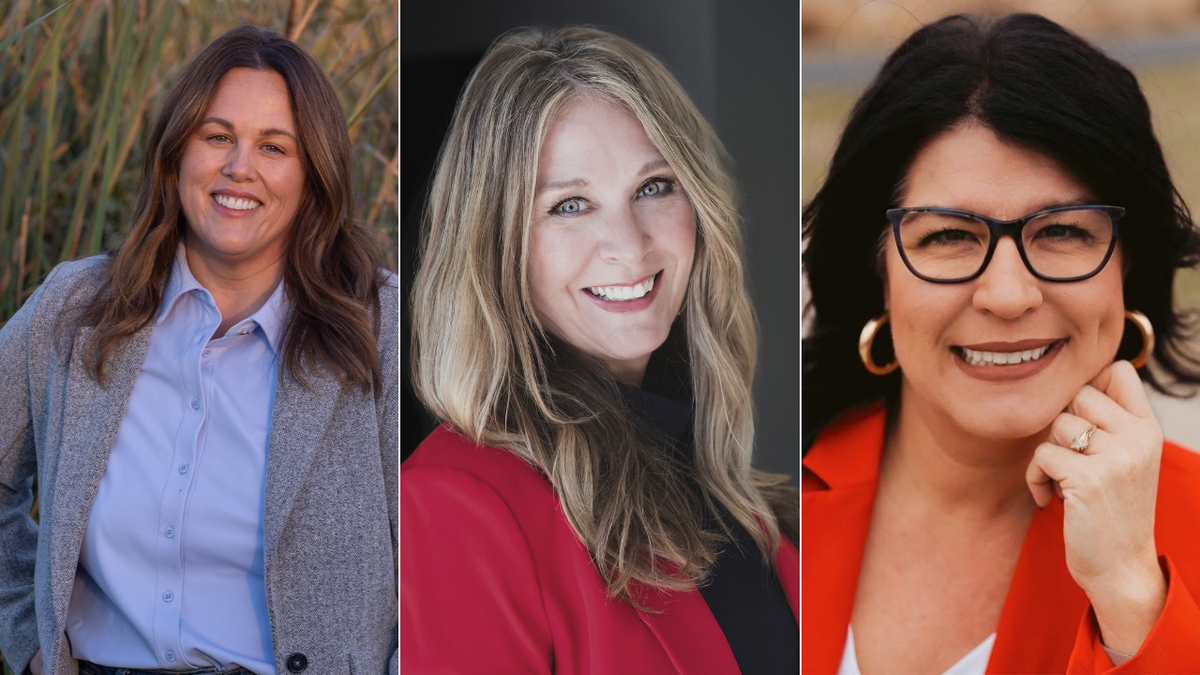
Amanda Potter: “We have a high recidivism rate, and we have seen the dangers in the last year or two of allowing people to reenter the community when they haven’t had the proper reentry or recidivism training.
- “I really think that for the amount that we were forced to spend on a new prison facility, we should also be spending – I’m not gonna say equal amount – but a fair amount for proven recidivism and re-entry training.
- “I say proven because I don’t want it to be something that someone just feels good about because it’s in line with their personal belief. I want it to be something that has been shown to work and evidence-based.”
Megan Tschetter: “I think we should keep our community safe and hold people accountable. I’m not against that.
- “But I also believe that these prisoners need purpose, and, for those that are willing, I think they need a spiritual foundation. They need hands-on job training which can help rebuild a better life when they get out of prison.”
- Tschetter also noted the vicious cycle people can get into when they don’t have a “purpose” or self-confidence. Creating programs for job-training can help them break that cycle.
Tesa Schwans noted her participation in a legislative task force focused on prison rehabilitation and how it’s “getting to some solutions.”
- “The task force goal is (identifying) what are the needs of the inmate population, understanding the options of programs for special cultures within the prison systems, to study best practices for re-entry to make recommendations for the space utilization and to improve the re-entry and recidivism rate.”
See more from District 9 candidates here:
Meet the Dist. 9 folks who want to represent you in Pierre
District 9’s lone senate seat has already been decided, and Sen. Joy Hohn will return to Pierre for another term. Three women are vying for the remaining two state house seats in a rare all-female district representing Hartford and northwest Sioux Falls.
District 10
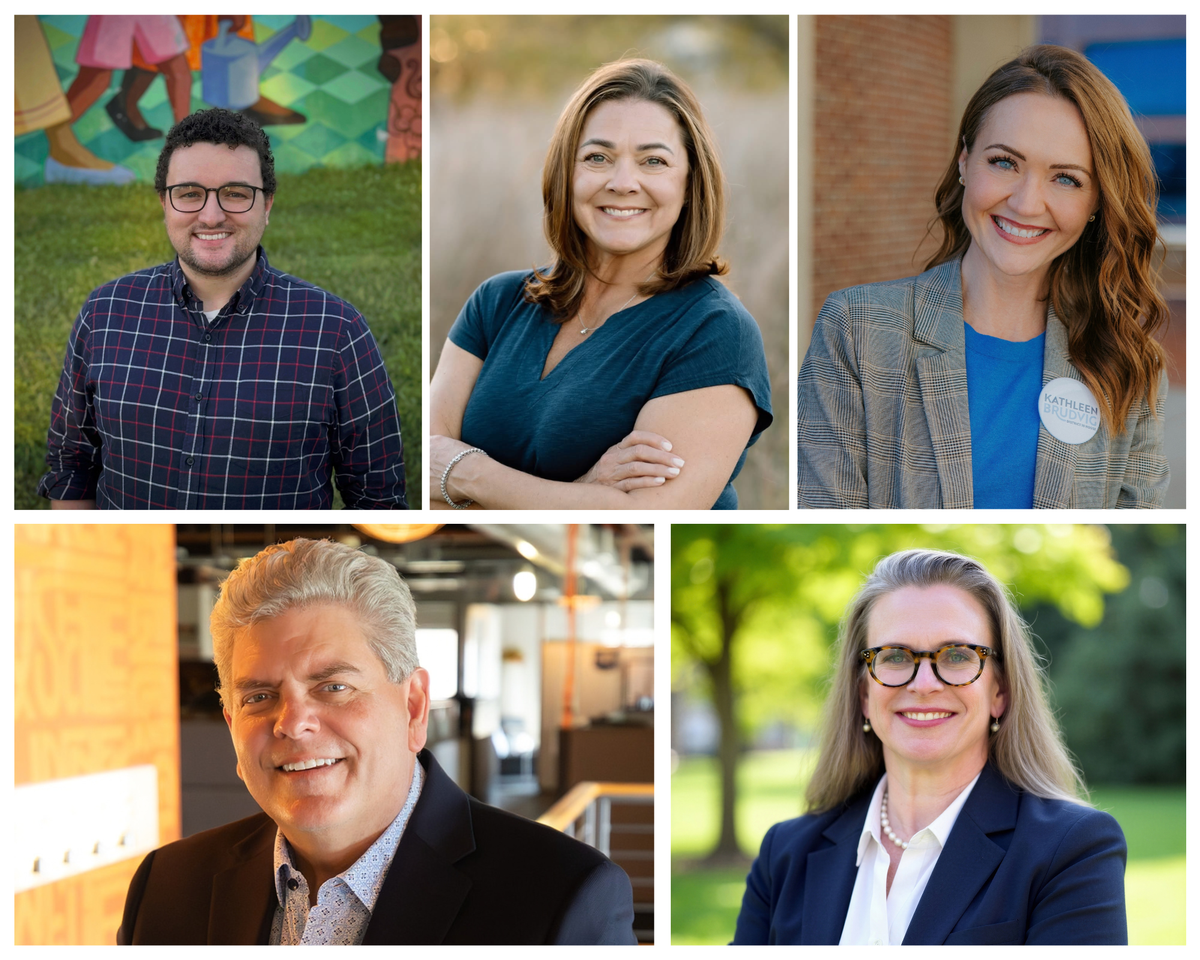
Liz Larson (Senate): “My opinion will be very unpopular. I feel, if we zoom out, the 30,000-foot view is early childhood education. … Fighting for early childhood education and other types of interventions is, long-term, helping our prison problem.
- “That said, there are of course people that are incarcerated at this moment that will be let free at some point, and they’ll need services too – access to treatment for addiction is huge, access to treatment for mental health, job skills.”
Michael Dupic (Senate): Declined to be interviewed.
Adam Bair (House): “Let’s make no mistake about it: the prison is something that has been sorely needed. The hill (the current penitentiary) is unfit for anybody to be kept in for any amount of time.
- “I think that creating a space within the new prison where we can allow more of these therapies and programs to help reduce that recidivism rate is going to be beneficial. I think providing the space and the room in the new prison is going to help with that.
- “I also think we need to reexamine what happens with these folks once they’re let out of prison. Are they able to go home and find a support system? If they don’t have a support system at home, are we able to find them a support system in their communities? The last thing we want is for someone to be left in Sioux Falls and told to figure it out.”
Kathleen Brudvig (House): “It was time to build a new prison, and with that new prison I would like to see some new policies to help reduce recidivism and to humanize the criminal justice process, including having addiction/substance-abuse treatment available while incarcerated, mental health support during and after incarceration. (We should be) making sure it’s a rehabilitation process, not just punishment.
- “I think we reduce recidivism by not just locking people up and throwing away the key – we invest in job training, education, help people achieve a GED or some sort of higher ed. And then after their release making sure we connect them with family support. That’s huge for being able to live a successful life at all – having a support system.”
Kimberly Petterson (House): “We need to start helping and creating programs to help people so they don’t continue to go back into the system – getting them help with mental health. …
- “Unfortunately, criminals that come out and could possibly be rehabilitated are not being given the programs that are needed. I would be behind state programs to help people get a job, get back into the community and be rehabilitated. I believe it can happen – it just needs to be focused on and we need to do something about it and not just talk about it.”
John Pohlman (House) shared an example of how Southeast Technical College is teaching welding to inmates, and a high percentage of those people go on to get and retain jobs after incarceration. He said that type of program can help people get off the “carousel” of recidivism.
- “I think that’s going to take some investment. I know that’s not what anybody wants to hear, but I think it’s necessary. Otherwise it’s just the definition of insanity. It’s not going to get better unless efforts are made to change the dynamic.”
See more from District 10 candidates here:
Meet the Dist. 10 folks looking to represent you in Pierre
District 10 is one of few districts in the Sioux Falls area that was able to field both Democratic and Republican candidates in both the house and senate races. Meet the candidates here.
District 11
Chris Karr (Senate): Did not respond to interview requests.
Aaron Matson (Senate): “I don’t have a lot of experience in this area so my answers are going to be general, but it seems to me things like job training and education are helpful from what I understand in reducing recidivism and supporting re-entry.
- “(I would support) opportunities for people who are incarcerated to advance, to develop skills and to think about what they are going back to, how are they supported by the state to make for better communities, to help them stay clean and on the straight and narrow. There are some things on the religious side that I’ve seen work but not for everybody. I believe very much in the separation of church and state. Churches can be a resource.”
Brian Mulder (House) noted his role serving on the prison relocation task force.
- “I think it’s been pointed out that we just need better programming for the folks that are in prison while they’re there … counseling, job training, whatever it may be.
- “I don’t know if that necessarily has to translate into policy, but rather just tweaks within the Department of Corrections itself. For me it’s finding outside nonprofit partners that the DOC is able to partner with to provide some of that so they’re not doing it on their own. All the expertise doesn’t have to lie within the DOC itself, but we have to find partners in the community and make it possible for them to be inside the walls.”
Sonja Mentzer (House): “Federal prisoners have all kinds of programs for re-entry whether it’s skill training, anger management, parenting. … South Dakota has not been able to provide that for a variety of reasons – money, space, priority. And I think with the new prison this is going to allow that, and I think we should absolutely be looking at how we can really maximize that and try to reduce, first and foremost, repeat offenders.”
Tracey Quint (House): “(I want to see the state) supporting employers to hire those individuals, making sure there is education. This person made mistakes in the past, but they have served their time.
- “Make sure the education is there for potential employers and offering that support, whatever that might look like.”
Keri Weems (House): “This has become a real passion of mine and part of that is because how hard it is to get jobs after they’re out. It’s really easy to fall back into the cycle so that they end up back in prison.
- Weems cited a program at Southeast Tech that teaches inmates welding skills.
- “If we could emulate that program in several different career paths, that, in my mind, would be a win for our state.
- “A lot of problems that we have are drug and alcohol issues, so if we can continue to expand programs that work, that would be a win for me also.”
See more from District 11 candidates here:
Meet the Dist. 11 folks who want to represent you in Pierre
Six candidates are looking to represent this geographically small but populous district, and both house and senate seats are contested.

District 12
Amber Arlint (House): “I don’t have a definite statistic here, but I had a conversation with somebody who worked closely with the penitentiary about the number of those incarcerated that cannot proficiently read. And the stats are so high there.
- “You think about what that does to the trajectory of somebody’s life. … The odds just start to be stacked against you when you can’t read. Make sure they have strong reading and writing skills, and also to reduce recidivism, (provide) opportunities for gainful employment.
- “When you can leave the penitentiary and immediately be employable, what an incredible way to restart our life and be set up for success.”
Stephanie Arne (House): “I am very much a prevention person. We can do so much by providing — from a young age — education, food, and healthcare. …
- “We did not have a prison that was safe or livable for many human beings who lived or worked or visited that space. I understand the need for it, but we need to look at what’s going on beforehand that can be prevented, and then set individuals up for success when they come out.
- “I believe in programs that lift people up, improve their self-esteem and confidence, and teach them skills so that when they complete a program, they have the ability to get a job right away and start participating again. A lot of them cannot wait to come back and do better. We need to help them help us and be there to break the cycle.”
Kerry Loudenslager (House): “I’ve heard a lot of ideas through the gubernatorial elections and debates. I need more information on that.
- “What I would do is be a responsible representative for constituents and reach out to the Department of Corrections to find out all the details on what we’re talking about and what the challenges are.
- “I’m a believer that encouraging people to get more involved with faith, family, and core values can help reduce rates, but when it comes to the details of what the problems are and how to fix them, I’m going to depend on the DOC, the Legislative Research Council, and constituents.”
Kari Shanard-Koenders (Senate): “This should be a priority of the state. We have seen our crime increase, particularly in Sioux Falls, because of parolees and that type of thing. (Editor’s note: The crime rate in Sioux Falls is largely flat or decreasing.)
- “Once people get out they need to be equipped with some skills, and I feel they also need to have some – maybe not necessarily religious background, – but I do think teaching that kind of thing in the criminal justice environment, some bigger power that they can look at, can help with anger management.”
- Shanard-Koenders also advocated for better mental health treatment and career training, particularly in the trades, for incarcerated people.
Joe Zweifel (Senate): Could not be reached for comment.
See more from District 12 candidates here:
Meet the Dist. 12 folks who want to represent you in Pierre
District 12 has some heavy hitters who are no longer in play. Here’s a closer look at who’s looking to represent the central and southwest Sioux Falls district.

District 13
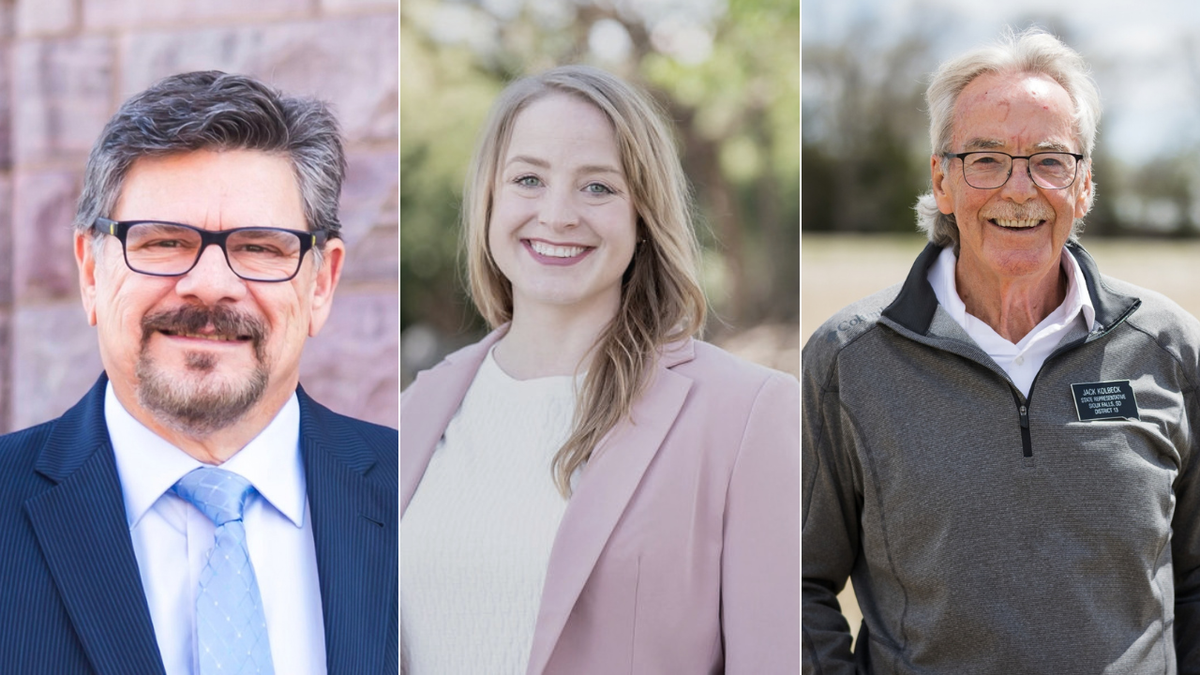
Ali Rae Horsted: “I think there definitely needs to be a heavy emphasis on programming for offenders while they are incarcerated and workforce‑readiness initiatives. (I’d also support) potentially assisting with more programming while incarcerated and job placement opportunities when they are released.”
John Hughes: “I’m on the governor’s rehabilitation task force. I’m on the faith‑based subcommittee, and we proposed – and the governor approved – a men’s prison program to obtain a seminary degree from an accredited program. This is going to be most attractive to longer‑term inmates.
- “When you’re in prison, and you read at the fourth-grade level, and you come from a history of addiction, drug abuse, dysfunctional families and violence and all that stuff – (this program would provide) a faith‑based pathway that hopefully will start in January.”
Jack Kolbeck: “I’ve been involved with the prison system ever since the new prison was talked about. I’ve been on every committee.”
- He also noted the importance of ensuring people leave prison with the knowledge they need to avoid recidivism – as well as the importance of ensuring public safety is a priority.
- “We know with the new prison system we’re gonna have people that are gonna wanna move into Sioux Falls. We need to make sure that we’ve got our public safety system top notch to protect the citizens that live here today.”
See more from candidates in District 13:
Meet the Dist. 13 folks who want to represent you in Pierre
District 13’s lone state senate seat has already been decided as veteran lawmaker Sue Peterson will run unopposed. Meanwhile, three people are vying for the two open seats in the South Dakota House of Representatives.
District 14
Taylor Rae Rehfeldt: Could not be reached for comment before deadline.
Tyler Tordsen: “Education is a high priority for me. This is the other big one. … We need to do a better job at lowering that recidivism rate.
- “These folks, when we’re done being mad at them, and they’ve done their time, most of them don’t want to go back. They’ve turned themselves around, want to be able to hit the ground running, provide for families. … Let’s help them.
- “While they’re connected to the state let’s make sure they’re equipped. Let’s make sure they have an unexpired photo ID. Let’s make sure they have a birth certificate and social security card. Let’s help them with resume training. Let’s find those employers that need workers across the state. Let’s pair them up like a matchmaking service with industries that know what they’re getting.”
Erinn Williams: “I’m a trades person. I’m blue collar. But I think when we talked about recidivism and looking at it, we’re talking about a men’s prison. It’s men who didn’t get the education and the support that they needed. Generations of young men who get stuck in prison because they don’t have access to finding a trade, finding a job, finding a way out of the path here on. Prevention is huge for me.
- “Once they’re there it’s a captive audience. Can we bring in a program that says what do you wanna be when you grow up? The problem is if we don’t start focusing on why they got there in the first place they’re just gonna keep coming back, and we’re gonna need to keep bringing that. We’ve got to start figuring out why they’re there in the first place, and trying to figure out how we can keep them out.”
See more from District 14 candidates:
Meet the Dist. 14 folks who want to represent you in Pierre
District 14’s senate seat is already decided as Larry Zikmund will return to Pierre unopposed. That leaves three people vying for the two open seats in the South Dakota House of Representatives.

District 15
June CopperStad (House): “I would like to see an investment of more people who can show up in boots-on-the-ground capacity. I definitely want us to have more housing options for folks who are going through reentry because that’s a huge need. We have so many people coming right out of our prison and straight into the Bishop Dudley and trying to work their way into UGM (Union Gospel Mission) or St. Francis House. Those resources are so limited. The need is so much greater than we see and that we’re actually counting appropriately. I would like to see wraparound supports and a ton of us investing in that community.
- “We need to make sure helpers exist – case workers. We need to make sure folks can get education, ake sure folks have access to rehab and drug and alcohol treatment facilities. We don’t have enough of those resources here in the state. There’s just a lot we can be doing to meet those needs at every step of the way.”
Brenda Lawrence (Senate): Could not be reached for comment before publication deadline.
Erik Muckey (Senate): “We need to be able to meaningfully invest both in the staff at the DOC — we’ve wildly underpaid and undervalued them in such a way that our turnover is too high and creating an unsafe environment for them. There’s not real great hope we’re going to turn the corner without addressing that.
- “As far as what goes on before and after being in a correctional system, I know we took a great step to prevent first-time ingestion offenders from having to go to prison. For my end, the most important things we can do right now are actually meaningfully invest in our behavioral health and addiction care services statewide …
- “And ultimately, on the back side of this, I think (the state should) be more thoughtful in terms of housing for helping our offenders who are leaving the walls to actually have a place to live when they’re done.”
Joni Tschetter (House): “What I’m really thinking about is volunteer programs that go into penitentiaries. I’ve seen documentaries about running clubs and quilt-making clubs that require good behavior to participate. There are volunteers that help out with different programs.
- “That’s a great question for the sheriff’s department, the police department, and other organizations that help with the prison aspect.
- “One of the things that’s important is to reach them before prison. The police department is very active. They have a camp program where school resource officers take 50–60 kids on a camp … that program is great.
- “I know other organizations in Sioux Falls that help people transition into society. Why not ask them what they need? Let’s glean from what we do know and do the best that we can with what works, and then ask other people what they think. I work well with others and I take notes.”
Kadyn Wittman (House): “I think the number one thing we can do to reduce recidivism and better support reentry is transitional housing. I talked a lot about how when I was working at the Bishop Dudley House during the COVID pandemic, that was when I first realized if you were released from the penitentiary and you did not have a family member or a couch to land on, the place you were starting over was the Bishop Dudley.
- “Folks who are being released from incarceration, especially depending on the amount of time, some of them have very little understanding of how the world functions and what their role is within that function. They need more support—case management. They need a safe place to sleep, three meals a day. … The issue is there is no system.
- “I would also like to remove mandatory minimums. They take away nuance and don’t allow judges to look at the full scope. I would also repeal truth in sentencing.”
Andre Zachariahs (House): “If we don’t have education and training within the prison, we’re just creating an environment where people are coming right back in.
- “There needs to be a big push to make sure that when people leave they are properly equipped to re-enter. One of the things I’ve appreciated over the last years has been Mayor (Paul) TenHaken’s focus on mentorship and being able to provide people who didn’t grow up in an environment where they saw success modeled a chance to see that.
- “Within the prison system that’s important as well. They need support systems. We need to support education systems within there. I don’t know what that looks like exactly, but it matters.”
See more from District 15 candidates here:
Meet the Dist. 15 folks who want to represent you in Pierre
District 15 one of few districts in the Sioux Falls area in which every single seat is hotly contested by both parties.

District 16
Lisa Bogue: Could not be reached for comment.
Tim Rhead: “Obviously that’s a huge problem. I have friends that are cops in Sioux Falls and they say on a daily basis 60% of the people they deal with are the people they deal with every single day – people who’ve gotten out (of incarceration.
- “There needs to be more done to better training in our prison. I’m going to link this back to public education. I think we need to start there. There are several teacher things like that. They can see issues already in those younger grades. I think we need more counseling and therapy. The younger that we can reach people and help them, I think that will help our results when we get older.”
John Shubeck: “We needed a new state penitentiary. I think moving it out of Lincoln County was the right choice, and scaling down some of the asks was a good thing.
- “Now, we’ve got to find a way to reduce recidivism. In that old pen, the areas for education were not conducive to education. So we definitely need to partner with other organizations to help educate people so they come out with a skill.
- “There’s the prison task force that is going through that, and it’ll be interesting to see what solutions we come up with. … Anything we can do to reduce recidivism – I’ve got some personal friends who are combat veterans who’ve been in and out of jail and prison and have some addiction issues. If we can curb addiction – programs to help with all of these things – man, that’d be amazing.”
See more from District 16 candidates:
Meet the Dist. 16 folks who want to represent you in Pierre
District 16’s lone senate seat has already been decided, as Kevin D. Jensen will return to Pierre running unopposed. That leaves three people vying for two open seats in the South Dakota House of Representatives.
What happens next?
Election Day is Nov. 3.
Source: www.sfsimplified.com