
With the help of grant funding, some community health centers are expanding perinatal services in rural areas of North Carolina that lack adequate maternal healthcare.
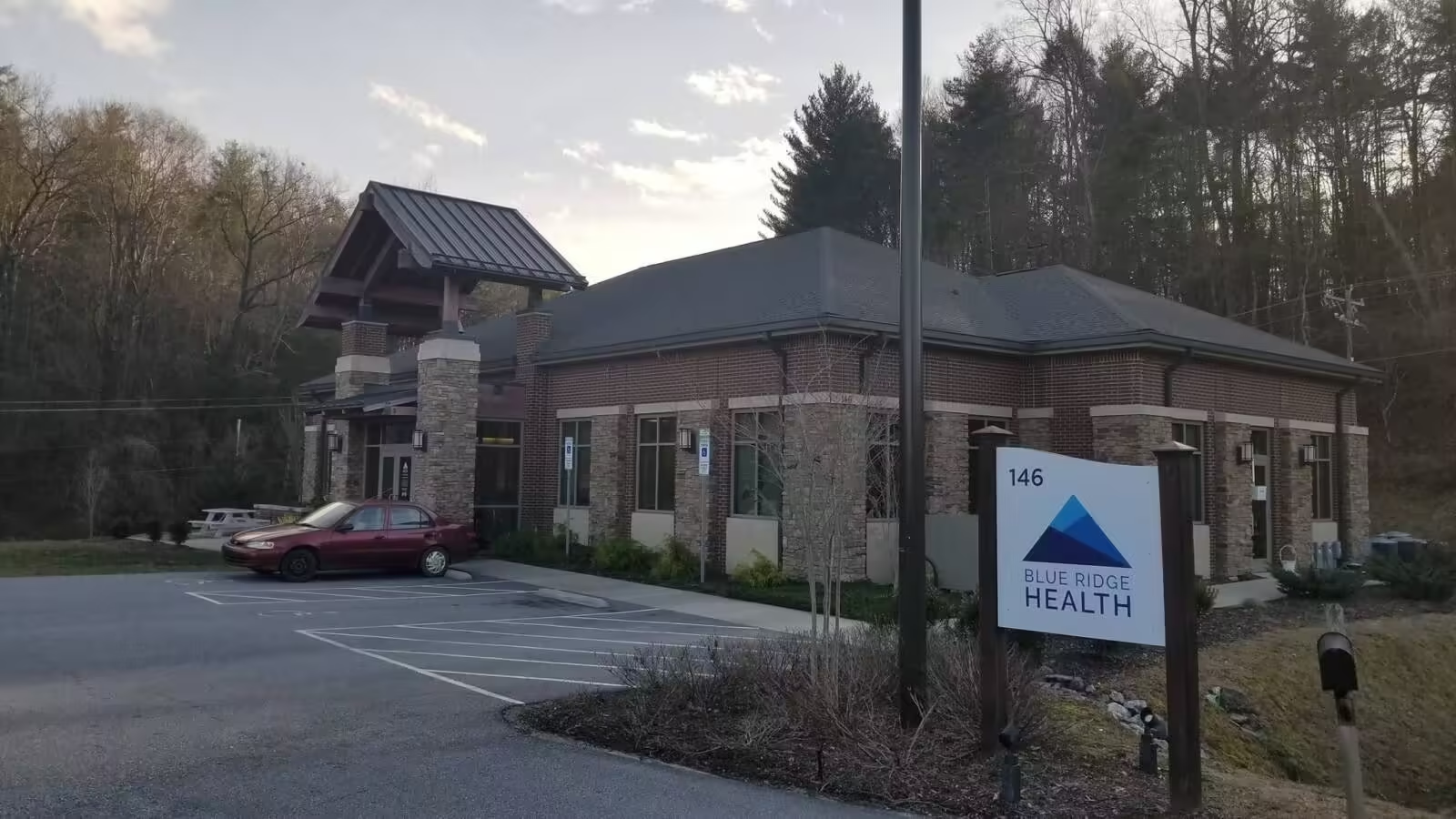
In mountainous Graham County, where no obstetric clinicians or birthing centers are located, Blue Ridge Health is planning to install a mobile unit equipped with an exam room and ultrasound machine. Across the state, another health center in coastal Pender County will use the money to expand its new family medicine residency program to offer comprehensive prenatal care.
The funding that will support these projects comes from a partnership between the North Carolina Community Health Center Association, Nurture NC and the Leon Levine Foundation. Earlier this year, the organizations pledged at least $2.8 million for a grant program which aims to empower more family physicians to offer perinatal services to expectant mothers.

Access to maternity care in North Carolina has worsened as more hospitals, particularly those in rural areas, eliminate labor and delivery services to save money. Carolina Public Press reported on the issue and potential solutions in its 2025 investigative series, Deserting Women.
Community health centers can’t bring those labor and delivery units back, but they’re working to ease the burden on pregnant women and mothers by offering prenatal and postpartum care closer to home.
Blue Ridge Health CEO Tammy Greenwell told CPP that without nearby perinatal services, pregnant women might forgo care altogether.
“In some of these rural counties where they haven’t had access, some women get zero prenatal care and show up to deliver,” she said.
“Through (this) shared-care model, we’re more than happy to do all the prenatal support, the family-planning support … providing the ultrasounds and things of that nature.”
Pregnant women in the far western part of the state lost one of those crucial access points when Macon County’s Angel Medical Center shut down its labor and delivery unit in 2017. Two years later, Erlanger Western Carolina Hospital in Cherokee County shuttered its labor and delivery unit.
Since then, some women have had to travel farther to Harris Regional Hospital in Sylva, or, for more complex cases, Mission Hospital in Asheville.
Blue Ridge Health, based in Hendersonville, operates a network of community health centers across nine western counties. Through a family medicine residency program, the organization places doctors trained in obstetric care at its clinics throughout the region.
Thanks to a grant from NCCHCA, Blue Ridge Health plans to begin offering obstetric care in Graham County, which currently has no obstetric clinicians, according to data from March of Dimes.
“We do not currently have a clinic in Graham County,” Greenwell said, “so we’re going to be working with the local health department there to bring our mobile clinic (and) to potentially provide services within the health department.”
Blue Ridge Health already owns several mobile units and buses which provide medical and dental services to its patients. It’s currently retrofitting a new mobile unit with the equipment required to provide perinatal care, such as a Doppler ultrasound machine.
If all goes according to plan, the organization will start seeing its first patients in Graham in early 2027.
Coastal residency program caters to pregnant patients
At the other end of North Carolina, Black River Health in Pender County is also working to expand the perinatal services it offers.
Dr. Bailey Minish leads the family medicine residency program at Black River’s Burgaw community health clinic, which began this year in partnership with Novant Health. She said delivering perinatal care to rural residents, especially those without insurance, is a major tenet of that program.
“In Burgaw, there’s not a whole lot of prenatal care options, particularly in the western side of Pender County,” Minish said.
“There’s the health department and then us.”
At Black River, pregnant patients may see a family physician for their prenatal care and then deliver their baby with that same doctor at New Hanover Regional Medical Center in Wilmington. After delivery, new mothers and their babies may continue to see their doctor back inside the clinic in Burgaw.
Since January, Black River residents have provided prenatal care to 17 patients and delivered four babies at the hospital in Wilmington. A couple other patients gave birth elsewhere.
Minish said she’d like to see the clinic increase the number of patients it sees, and it is on pace to do so with two more resident physicians joining the team next year.
Through its grant from NCCHCA, Minish said Black River plans to pay for ultrasound training for its residents. A separate grant will fund an ultrasound machine for the clinic. Currently, Black River still has to refer its patients to Novant Health in Rocky Point for that purpose.
“We’re trying to be able to offer more of those services so (patients) don’t have to go elsewhere to get that done, because that has been a challenge,” Minish said.

Why hospitals are ending labor and delivery services
CPP has reported that since 2015, at least 10 North Carolina hospitals have shuttered their labor and delivery units, while others have reduced the size of their units.
According to Harold Miller, who leads the Center for Healthcare Quality and Payment Reform, the problem for many of these hospitals is the cost.
Labor and delivery units typically lose money, but they are subsidized by other, more profitable procedures, Miller said. In rural areas where birth rates have fallen, increasing numbers of smaller hospitals are deciding that it’s no longer worth it to deliver babies.
Also contributing to that decision is the fact that smaller hospitals are consistently under-compensated by insurance companies.
“The cost of maternity care is going up, the cost per patient is going up even more because the number of births is going down, and the payments aren’t keeping up with that,” Miller said.
“So the hospitals are faced with the fact that the only thing they may be able to do is to eliminate maternity care.”
A few hospitals, including UNC Health Chatham in Siler City, have bucked the trend and reopened their labor and delivery unit after previously eliminating the service. But examples of that happening are few and far between.
“(Maternity care) is a kind of service that is very hard to get going,” Miller said, “and once you lose it, it is very hard to start it up again.”
This article first appeared on Carolina Public Press and is republished here under a Creative Commons Attribution-NoDerivatives 4.0 International License. 
Source: carolinapublicpress.org