
Aceros AZA and Grupo CAP seek to close the purchase of Huachipato’s strategic steel assets during the first half of 2027, after this Tuesday night the National Economic Prosecutor’s Office (FNE) approved the operation “purely and simply”, that is, without conditions.
With that approval, the companies are now focused on meeting the other conditions agreed upon to materialize the transaction, announced on June 2 and valued at US$ 484 million.
In the case of Grupo CAP, this includes the corporate reorganization of Huachipato to separate the assets that will be part of the operation.
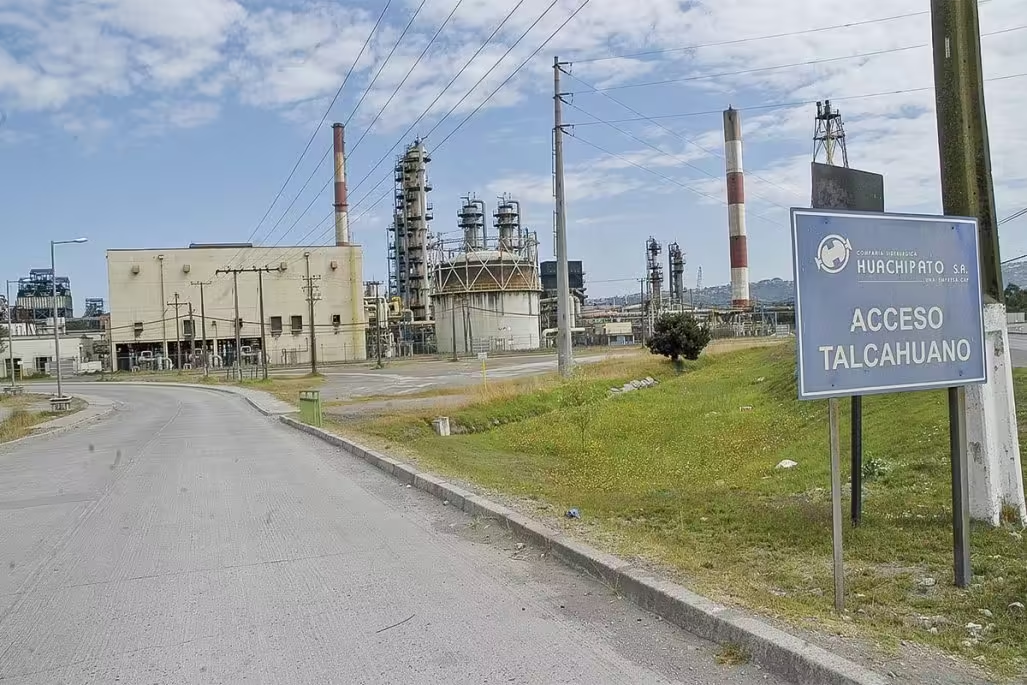
The agreement contemplates that AZA acquires control of the Compañía Siderúrgica Huachipato, with 91 hectares of the complex and the assets located in that perimeter, including the steel mill and two rolling mills. There it will develop a new sustainable steel production project in Talcahuano.
The signs of the companies
The general manager of Aceros AZA, Juan Enrique Greibe, pointed out that the FNE’s decision “will allow us to continue advancing in a strategic project for Chile and for Aceros AZA”, whose completion is expected in the first half of 2027, “once the pending conditions have been met.”
Along these lines, he added that “this is a positive signal to strengthen the safe, sustainable and permanent supply of green steel produced in Chile, with high environmental, labor and anti-seismic safety standards.”
Meanwhile, the general manager of Grupo CAP, Nicolás Burr, described the approval as “a key step to continue moving towards the closure of this operation”, which, he said, “will allow us to give a new future to strategic steel facilities in Huachipato through the production of sustainable steel.”
The CEO of the steel company added that the project “constitutes one of the main milestones of the reconversion process that we are promoting in the complex.”
In his opinion, it also reflects the group’s long-term strategy, which aims to “reach strategic alliances to add value and make our assets profitable, generate new business opportunities and contribute to the productive development of the country.”
Source: www.df.cl