
Travelers visiting Britain pass through busy airports, railway stations and public venues, often alongside thousands of other international visitors.
Changes to how authorities monitor these public spaces could eventually affect what travelers encounter during their journeys, raising questions about privacy and immigration checks beyond traditional border-control facilities.
A newly revealed government program has brought those questions into focus.
Its potential reach extends beyond people suspected of criminal offenses, while officials and civil liberties organizations disagree over how the technology should be regulated and who should oversee its use.
Oct. 8 Home Office Policy Prepares Transport Hub LFR Deployments
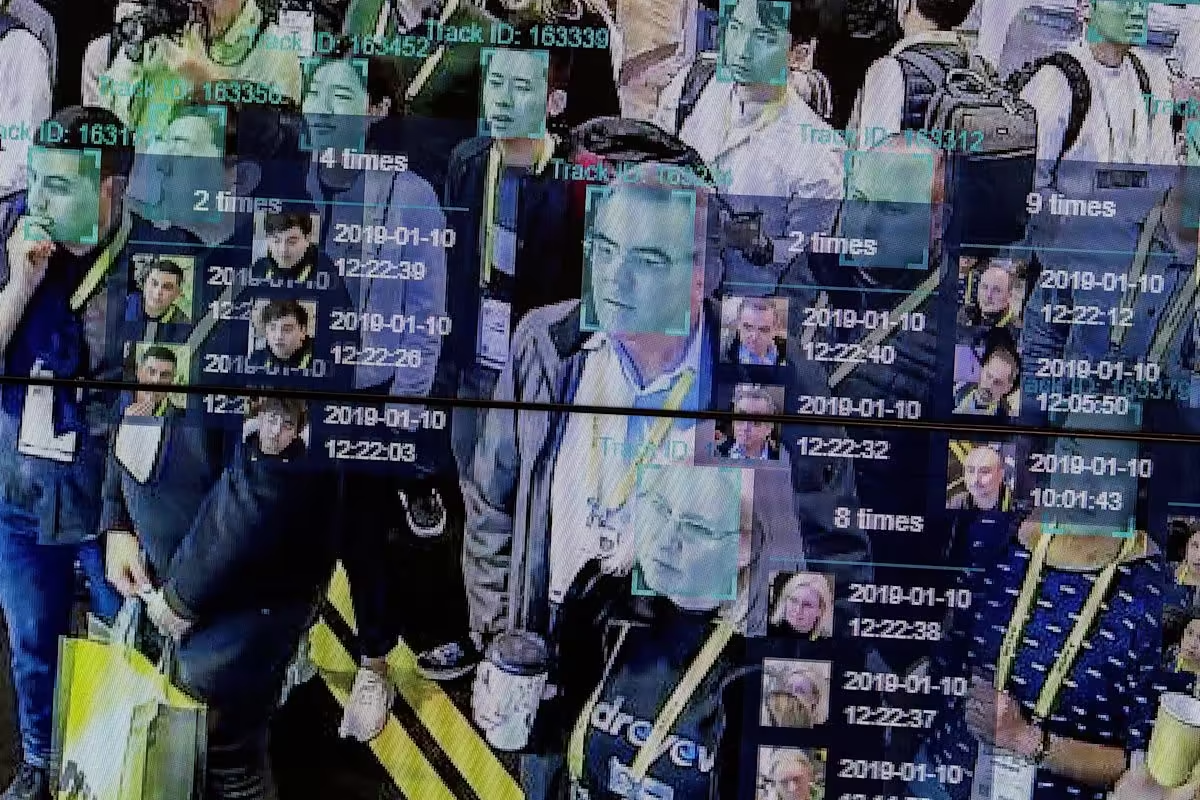
The UK Home Office is developing a program to use live facial recognition (LFR) cameras for immigration enforcement at transport hubs and selected public events.
An investigation published by The Guardian and Liberty Investigates on November 4 revealed that Home Office guidance issued on October 8 and a subsequent data protection assessment describe a potential role for the technology.
The documents identify transport hubs and events expected to attract large crowds as possible locations for proactive deployments.
The Home Office confirmed to the investigators that it was “considering further trials” of the technology and was “actively exploring the potential benefits, implications and future use of the technology”.
The development follows three earlier trials at Holyhead port in North Wales between November 2025 and February 2026. Those operations concentrated on identifying people entering Britain from Ireland who were subject to deportation orders or wanted under relevant criminal warrants.
DAVID MCNEW / Getty Images
Watchlists Target Visa Overstayers and Active Deportation Orders
The proposed expansion is significant because the technology could be used for immigration enforcement involving civil immigration violations, not exclusively criminal offenses.
The Guardian investigation identified visa overstayers and people who entered Britain without permission as potential categories of interest.
However, the Home Office’s October 8 facial recognition policy sets eligibility conditions for watchlist inclusion.
These include people subject to active deportation orders, individuals wanted under UK court warrants involving immigration-related offenses, and people actively sought for immigration enforcement or removal who have failed to comply with immigration conditions or lawful directions.
The policy also requires that their location cannot be established through less intrusive methods.
This distinction matters to American visitors. Simply holding a US passport, visiting Britain as a tourist or passing through a monitored transport hub does not automatically make someone eligible for an immigration enforcement watchlist.
Officers Review LFR Matches as Systems Delete Unflagged Biometrics
Live facial recognition compares images captured by cameras against a predetermined watchlist. When the system identifies a possible match, it generates an alert for trained personnel to review.
The Home Office’s legal mandate for immigration enforcement facial recognition makes clear that the software does not independently decide whether someone should be stopped, arrested or detained. Those decisions must be made by officers exercising their legal powers.
The document also says biometric information relating to people who do not generate an alert must be deleted.
People under 18 are excluded from immigration enforcement watchlists under the policy.
Biometrics Commissioner William Webster Rejects Oversight Claims
The proposed expansion has attracted criticism from organizations concerned about public surveillance, discrimination and the safeguards surrounding facial recognition.
Sarah Lasoye of the Open Rights Group said: “Immigration enforcement and police forces are exploiting an absence of national legislation regulating uses of AI technologies, including facial recognition, in the public sector.”
There are also questions about who supervises immigration enforcement’s use of the technology.
The Home Office’s policy identifies the Biometrics and Surveillance Camera Commissioner and Information Commissioner’s Office as oversight bodies. However, William Webster, the Biometrics and Surveillance Camera Commissioner, told Liberty Investigates that he had not been consulted and that immigration enforcement’s use of facial recognition fell outside his remit.
He said the “proliferation of LFR into different service contexts does raise important questions about the scope of existing regulatory oversight.”
The government announced new legislation for police facial recognition on November 4, including plans for an independent watchdog.
More Airlines News
This story was originally published by TravelHost on Nov 8, 2026, where it first appeared in the News section. Add TravelHost as a Preferred Source by clicking here.
Source: www.yahoo.com