

The global race for artificial intelligence is often described as a contest between the United States and China, with both investing billions in increasingly powerful models. But India is pursuing a different ambition: making AI accessible and useful to as many people as possible.
With a population of around 1.4 billion and 22 constitutionally recognized languages, India faces a unique challenge — and sees a major opportunity. Its strategy focuses not only on developing domestic AI capabilities, but also on ensuring that the technology reaches people beyond the wealthy, well-connected and English-speaking population.
“AI is all-inclusive. It should benefit all of our citizens,” says Ankush Sabharwal, founder and CEO of Indian AI company CoRover.ai, which developed the BharatGPT platform.
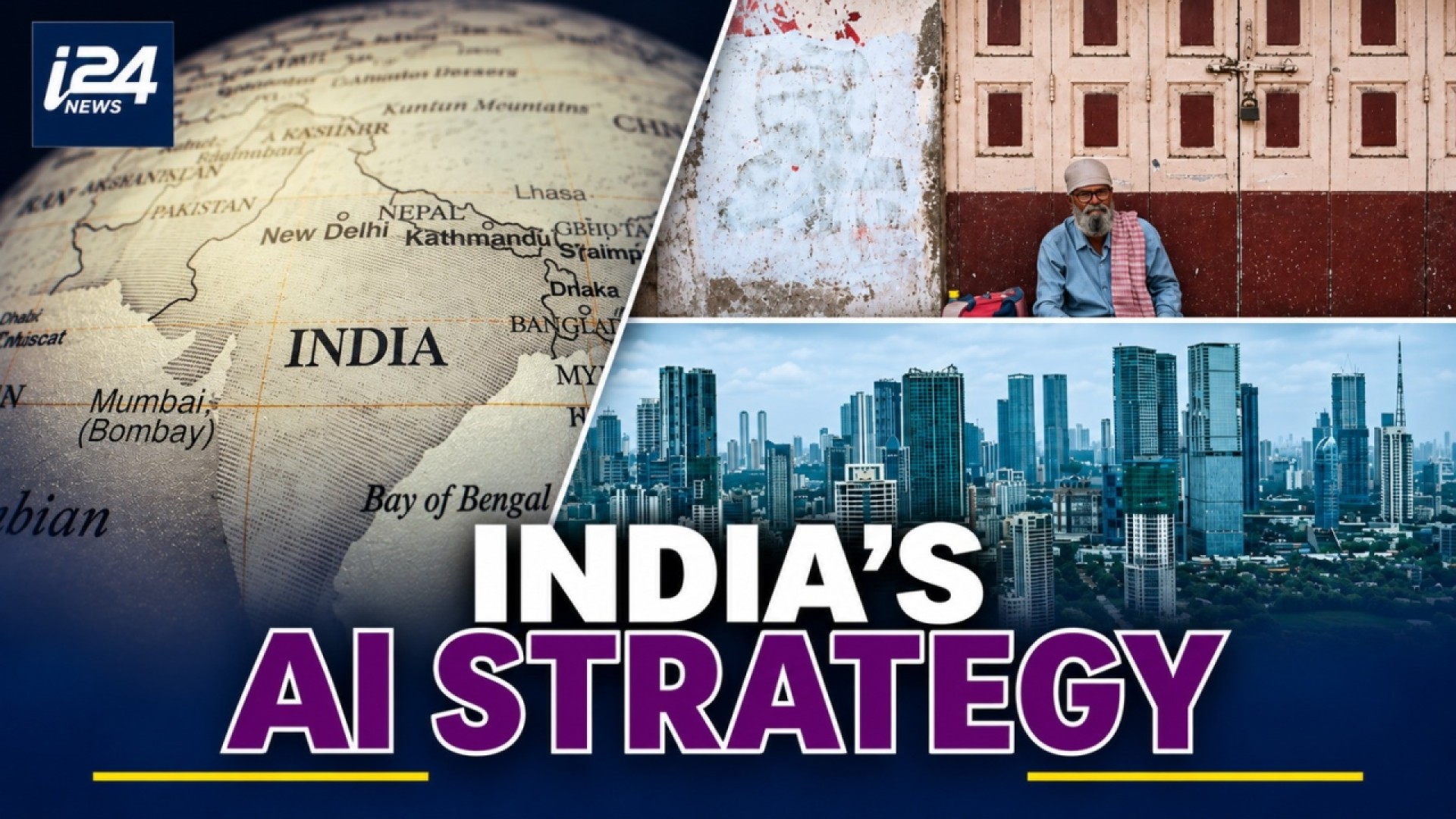
At the heart of India’s approach is the idea of sovereign AI: building control over the technology a country relies on, from computing infrastructure and chips to models and applications, rather than depending entirely on foreign providers.
But that does not necessarily mean competing with the US and China to build the world’s largest language models.
“I think we are not in the race,” Sabharwal says. Instead, he argues, India’s focus should be on creating platforms and practical solutions that help citizens and businesses.
He points to the reach of existing AI platforms, saying his company’s platforms are already seeing more than a billion users. For India, he argues, delivering useful applications at scale may be more important than developing ever-larger models.
One area where that ambition is particularly clear is language. India has 22 constitutionally recognized languages, making it difficult to build AI tools that can serve the entire population. CoRover.ai’s BharatGPT is designed to help bridge that gap, bringing AI-powered services to people in their own languages.
India’s enormous population could also become an advantage. With more than a billion potential users, the country offers a vast environment in which AI systems can be tested and adapted. “If any AI system works well in India, it works everywhere,” Sabharwal says.
There are still significant gaps to overcome. India relies on imported GPUs to power its most demanding AI systems, although the country is working to develop its own semiconductor capabilities. Sabharwal says advanced GPU-level production remains a work in progress, even as India’s wider chip ambitions move forward.
And technological independence does not have to mean going it alone. Sabharwal argues that countries can build sovereign capabilities while cooperating with international partners.
He sees Israel as a natural partner for India, pointing to its innovative technology sector and research capabilities alongside India’s enormous market and ability to scale solutions.
Ultimately, India’s AI ambitions may challenge the way the global race is measured. Rather than focusing exclusively on who builds the most powerful model, New Delhi wants to demonstrate what happens when AI is put to work across an entire society.
As Sabharwal puts it: “Give them a problem and we will have a solution.”
Source: www.i24news.tv