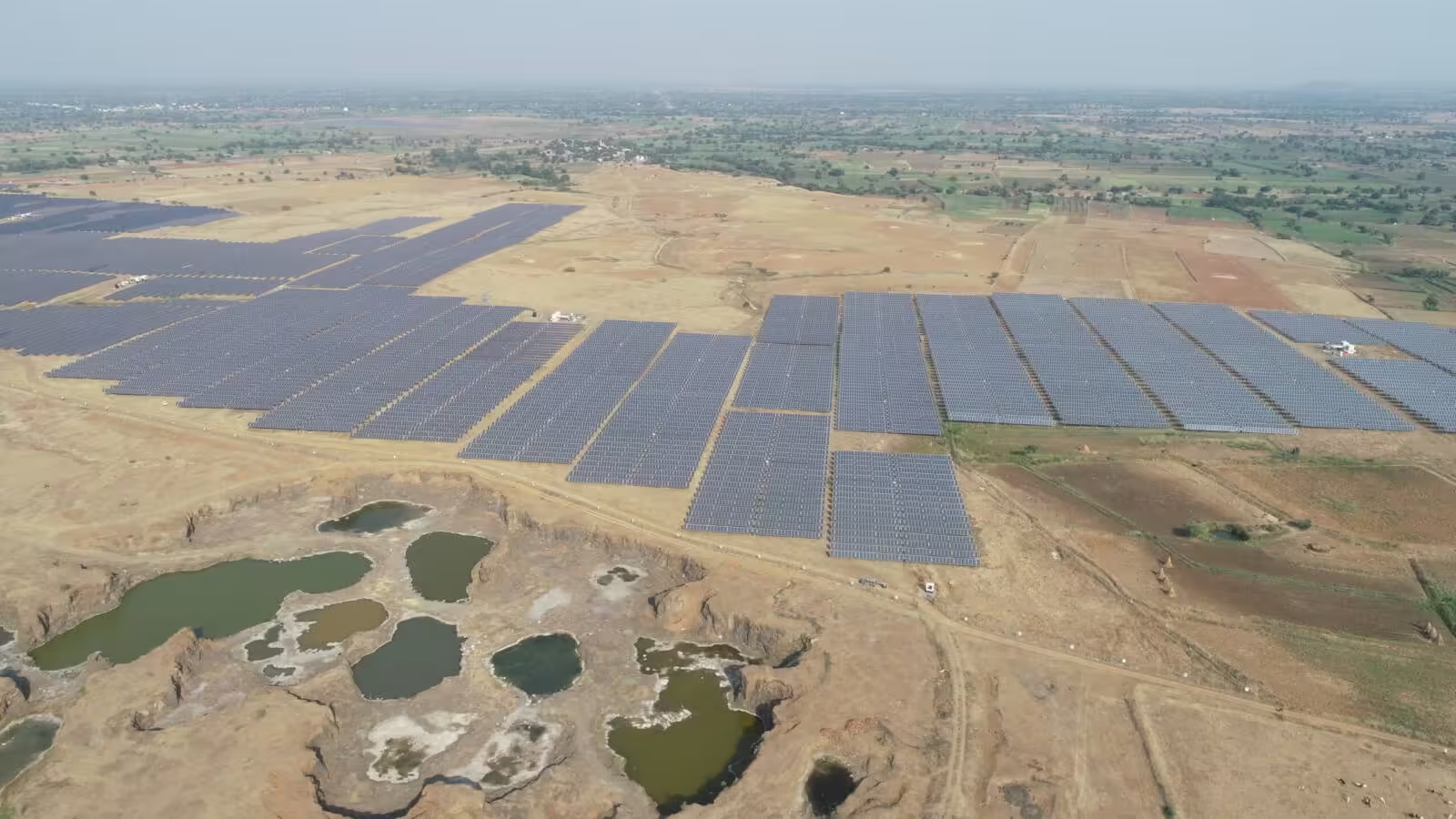

India’s installed solar PV capacity is expected to exceed 350 GW by 2030, according to the IEA’s India Renewable Energy Market Report 2026.
The report, launched at the Bharat Renewable Energy Summit in New Delhi, forecasts that India’s total installed renewable power capacity will reach around 530 GW by 2030, with solar PV accounting for the largest share of growth. Wind capacity is expected to approach 90 GW, while hydropower capacity is projected to reach 75 GW as large hydro projects come online and investment in pumped storage accelerates.
The expansion is expected to put India on track to meet its target of 500 GW of installed non-fossil fuel power capacity by 2030, a key milestone toward its goal of achieving net-zero greenhouse gas emissions by 2070.
Competitive costs, sustained auction activity, growing open-access procurement and accelerating rooftop installations are expected to drive solar PV deployment.
Utility-scale projects have accounted for around 75% of solar PV capacity additions over the past five years. The IEA expects that share to gradually decline to approximately 70% by 2030, as policy support, improving economics and simplified administrative procedures boost distributed solar deployment.
Distributed solar PV capacity for self-consumption is projected to triple to more than 100 GW by 2030. The PM Surya Ghar Muft Bijli Yojana scheme is accelerating residential rooftop installations, while PM-KUSUM supports the solarization of agricultural feeders and irrigation pumps.
Corporate procurement is also emerging as a major source of demand. Open-access reforms have simplified renewable energy procurement for commercial and industrial consumers, with corporate power purchase agreements expected to support around 20% of utility-scale solar PV and wind capacity additions by 2030.
India’s installed renewable power capacity has almost quadrupled over the past decade, surpassing 300 GW in 2026, according to the report. The country is now the world’s second-fastest-growing renewable energy market and second-largest solar module manufacturer. India also reached its target of 50% non-fossil fuel installed power capacity in 2025, five years ahead of schedule.
The IEA said renewable energy deployment is already delivering substantial energy security benefits. Renewable electricity saved India more than $100 billion in coal and natural gas import costs between 2011 and 2025, with cumulative savings expected to more than double by 2030. Without the solar PV, wind and bioenergy capacity added since 2010, India’s coal imports in 2025 would have been around 110 million metric tons higher.
“India’s renewables expansion is delivering major benefits for its energy security at a time of heightened uncertainty in global energy markets,” said IEA Executive Director Fatih Birol. “As countries look to strengthen domestic energy supplies, India’s experience shows how consistent policies can help drive down renewable energy costs and attract investment, offering valuable lessons for other emerging economies. We look forward to supporting India as it builds on these achievements.”
“India’s emergence as a new giant of renewable energy reflects the progress we have made in recent years,” said India’s Minister of New and Renewable Energy Pralhad Joshi. “As India’s electricity needs continue to rise, we are laying the foundations for the next phase of growth by strengthening domestic manufacturing, mobilising investment and expanding transmission infrastructure.”
The report said competitive auctions have helped India achieve some of the world’s lowest solar PV generation costs and become a global leader in procuring hybrid renewable energy projects. Growth is also extending beyond utility-scale power plants, supported by rooftop solar, corporate electricity procurement and expanding domestic manufacturing.
However, sustaining the expansion will require faster investment in electricity grids, energy storage and system flexibility, alongside stronger utility finances and fewer project delays. Addressing these challenges could accelerate renewable power capacity deployment by more than 20% between 2026 and 2030, according to the IEA.
Source: www.pv-magazine.com