

JACKSONVILLE, Fla. – The pushback against Flock cameras raised a bigger question: What else is quietly tracking you?
The answer, according to cybersecurity and computing experts, is a lot — and the risk is hiding in plain sight.
Anything connected can collect your data
Sergey Gulyayev, CEO of SecureData.comsays the list of devices that can track you is longer than most people realize.
“Well, you think about your smart TV. You know, recognize what’s on your screen. See if it’s Alexa or Google, those are connected,” said Gulyayev, who specialized in hardware encryption, data recovery and security.
Simply put: Many things that connect to the internet or Wi-Fi can potentially collect or transmit information about you.
That includes smart home devices like doorbell cameras, smart fridges and robotic vacuums, as well as retail stores with surveillance cameras.
Your car might know more than you think
Even a new car purchase can open the door to data collection.
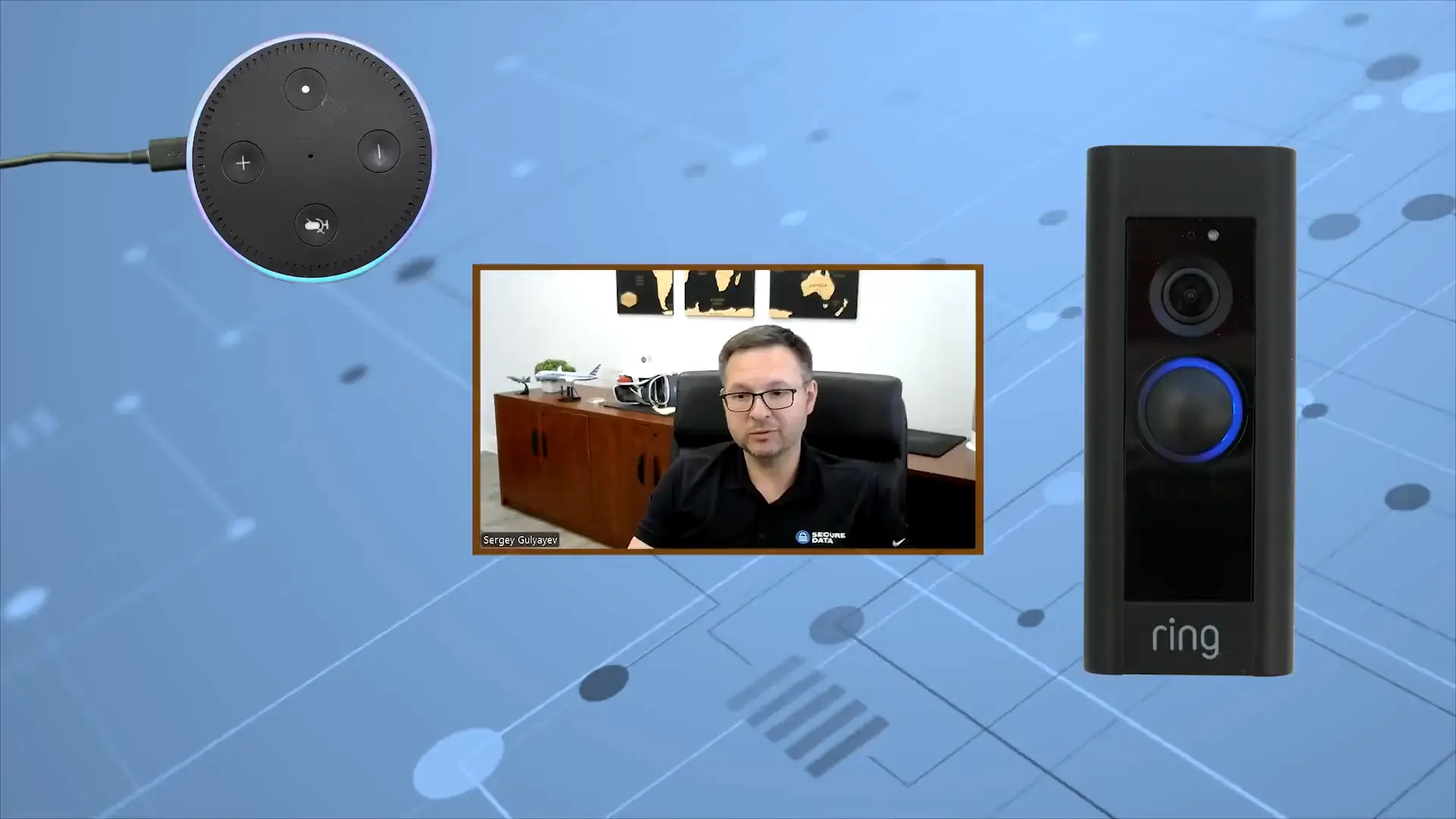
“Your Ring camera, anything that you allow access to your Wi-Fi, essentially can ping back to the servers of the company that made it. Share all kinds of things about your car, the newer cars especially,” Gulyayev said.

He said they record where you go, how fast you drive and even how hard you brake.
“And many copy your phone’s contacts and messages when you connect to it. So some automakers share that driving data with brokers who sell it to the insurance companies,” Gulyayev said. “Some drivers may see their premiums go up and they may not know why. It’s because they’re selling that data.”
Fitness apps, smartwatches join the list
Small devices matter, too. Fitness apps and smartwatches track daily habits in ways users might not fully appreciate.
Mini Zeng, interim assistant dean and associate professor of computing science at Jacksonville University, pointed out what they do.

“If you have those fitness apps… it will be able to track how many steps you go, how many calories you spend, … where you start and where you end up,” Zeng said.
But she added context: “Well, actually, if it is not maliciously used, of course, it can make our life much convenient and more comfortable.”
You likely gave permission — but might not have known it
Gulyayev says much of this tracking happens because users granted permission — often without realizing it.
“The data privacy policies are generally respected; the problem that we see is generally people don’t read when they install the free apps on their phones. When they install games, a lot of times they’ll ask for things they have no business asking for, like your text messages, your contacts; those games don’t need it. Most people just say, ‘OK,’ because they just want to play the game,’” Gulyayev said.
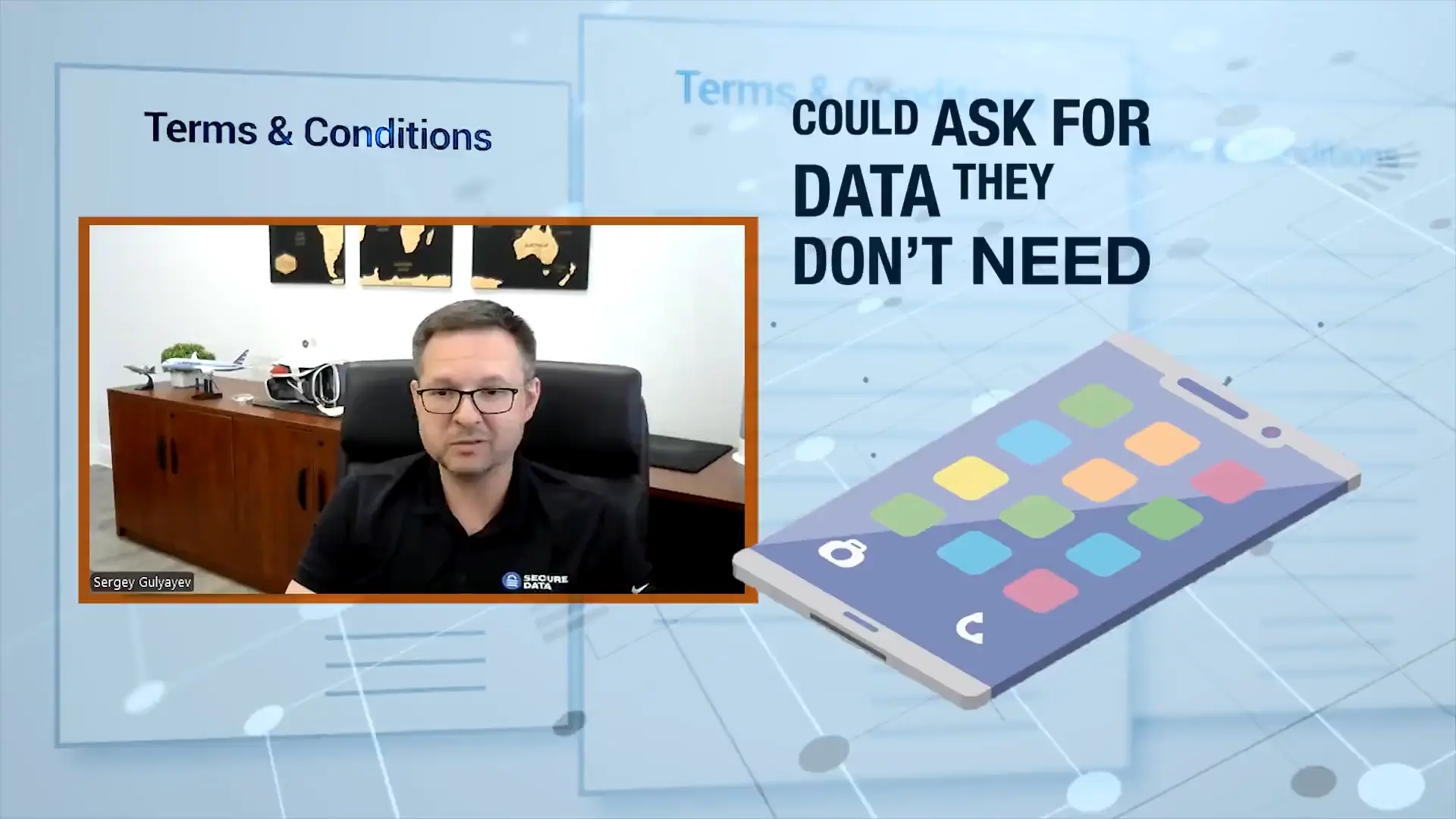
Pew Research found in 2023 that 56% of Americans frequently clicked “agree” to privacy policies without reading them.
Zeng says that gap in awareness is exactly why digital literacy matters.
“Data privacy and cybersecurity — at least the basic foundation level awareness — we need to make sure all these new generation of people will know,” Zeng said.
Steps to protect your privacy
Each device and app is different, but experts say there are universal steps users can take:
Read app permissions before tapping “agree” — don’t click through.
Review app permissions for location, camera, microphone, contacts and photos — and revoke what’s not needed.
Change apps with “always” access to “while using the app” or “never.”
Enable two-factor authentication on email and banking accounts.
Avoid public Wi-Fi — such as at airports — for banking or sensitive activity. Use your phone’s hotspot instead.
Gulyayev says it’s not too late to take back control, even if you’ve already agreed to data collection.
“Just because you consent to something does not mean that they don’t give you the option to go back and change the settings later. So upon the initial installation, yes, maybe you did opt in, but you can always opt out,” Gulyayev said.
Data breaches add to the risk
Even users who take precautions face risk from data breaches.
The Identity Theft Resource Center reports more than 1,800 data compromises in the first six months of 2026, involving more than 471 million victim notices.
A Federal Trade Commission staff report also found that a large number of social media and streaming companies engaged in vast surveillance of users — with lax privacy controls.
Copyright 2026 by WJXT News4JAX – All rights reserved.
Source: www.news4jax.com