




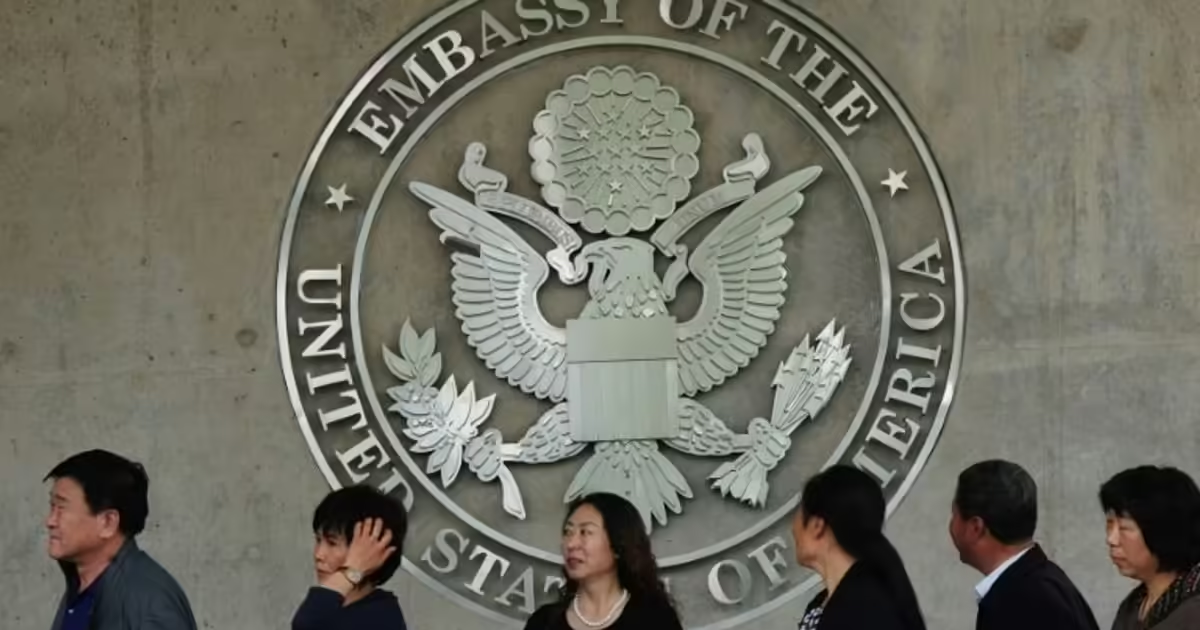

The US Department of Homeland Security announced on October 27 that it would suspend the Commonwealth of the Northern Mariana Islands’ Economic Vitality and Security Travel Authorisation Programme, which allowed eligible Chinese nationals to visit the territory without obtaining a conventional visa.
The suspension takes effect on October 30, according to a notice published in the Federal Register.
The decision follows a June 10 announcement by the US State Department that authorities had uncovered alleged birth-tourism fraud networks in West and North Africa, revoking more than 100 visas in each region. Officials did not identify the countries involved in those cases.
Washington tightens scrutiny across regions
The Northern Mariana Islands programme was designed to facilitate tourism and support the territory’s economy by allowing eligible Chinese visitors to enter without a conventional visa.
However, the Department of Homeland Security said the arrangement raised immigration-enforcement, law-enforcement and national-security concerns.
According to the department’s notice, more than 3,000 Chinese nationals used the programme during the 2025 fiscal year. Officials cited concerns about birth tourism, the possibility of visitors travelling illegally onward to neighbouring Guam and potential security risks near sensitive military installations.
The suspension means Chinese nationals seeking to visit the Northern Mariana Islands for business or pleasure will generally need an appropriate US non-immigrant visa, unless another lawful exception applies. Travellers already in the territory under the programme may complete their authorised stays, but will need visas for future visits.
In Africa, the State Department said its June investigation uncovered alleged schemes involving fake documents and visa intermediaries who coached applicants on securing entry to the US to give birth and obtain American citizenship for their children.
In July, the US Embassy in Nigeria separately warned that tourist visa applications could be denied if consular officers believed the primary purpose of travel was to give birth in the United States.
Washington subsequently expanded its policy response. On September 23, Secretary of State Marco Rubio announced visa restrictions targeting people who knowingly engage in or facilitate commercial birth tourism, including operators of such networks and intermediaries accused of helping applicants commit visa fraud.
The Northern Mariana Islands decision is not a blanket ban on Chinese nationals entering the United States. Rather, it suspends a specific travel-authorisation route while officials review its risks.
Together, the measures illustrate how the Trump administration is pursuing different approaches to birth tourism and alleged immigration abuse, from revoking visas in African cases to suspending a special entry programme used by Chinese visitors.
Source: africa.businessinsider.com

