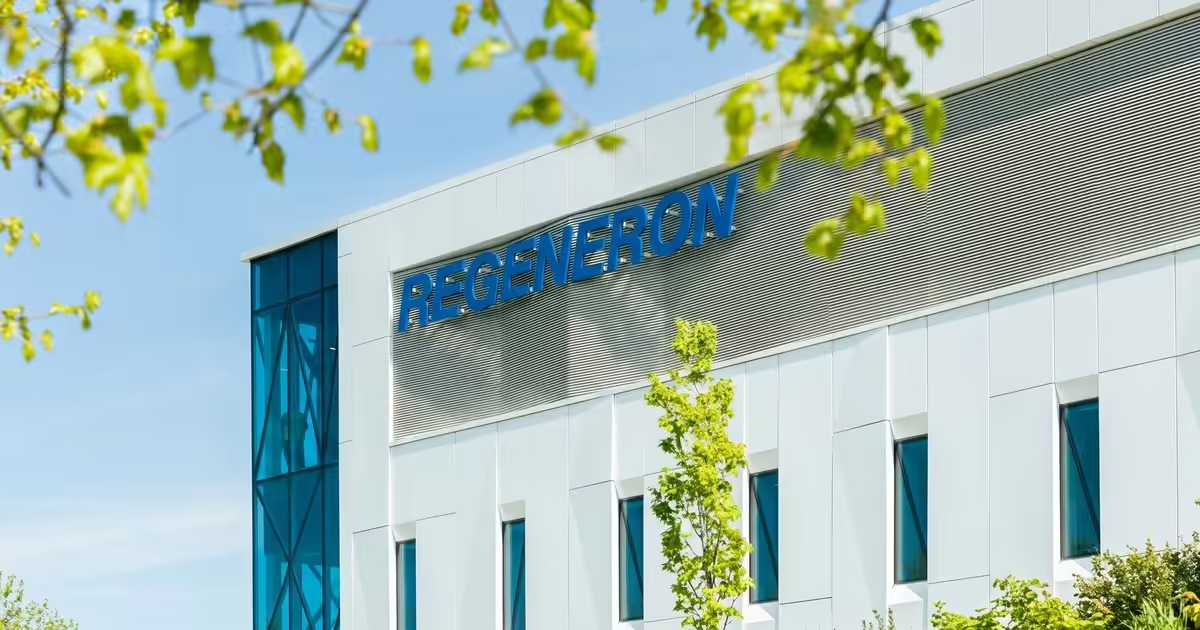

The New York-listed company will supply additional doses of Inmazeb to the US government through 2031 under an expanded agreement with the Biomedical Advanced Research and Development Authority.
The agency operates under the US Department of Health and Human Services and maintains medical supplies for disease outbreaks and other public health emergencies.
Regeneron announced that the agreement extends an earlier procurement arrangement signed in 2020.
“Maintaining a ready supply of Inmazeb is exactly the kind of preparedness this country needs for the threats we can already see on the horizon. This extended agreement reflects the strength of our long-standing collaboration with BARDA and our shared commitment to ensuring that at-the-ready medicines are available whenever an Ebola outbreak occurs,” Regeneron chief executive Leonard Schleifer said.
The company did not disclose the number of treatment doses covered by the new order.
Inmazeb combines three antibodies- atoltivimab, maftivimab and odesivimab. It became the first Ebola treatment approved by the US Food and Drug Administration in 2020.
Regeneron said the drug had been administered to hundreds of patients since 2019. In a clinical trial involving patients with a low viral load, it reduced mortality by approximately 55% compared with another treatment.
However, Inmazeb was approved specifically for Ebola disease caused by the Zaire virus. It is not an approved treatment for the Bundibugyo strain driving the current African outbreak.
Regeneron tests separate treatment against Africa’s Ebola outbreak
Regeneron is separately adding maftivimab, one of the three antibodies in Inmazeb, to the PARTNERS clinical trial.
The trial will assess whether maftivimab can be used on its own to treat patients infected with the Bundibugyo strain.
Laboratory and animal studies have shown activity against the Bundibugyo virus, according to Regeneron. The findings have been published as a preprint and have not completed peer review.
The World Health Organisation previously identified maftivimab as one of three treatments that should be prioritised for clinical evaluation. The others are the antibody MBP134 and the antiviral drug remdesivir.
There is currently no approved treatment or licensed vaccine specifically targeting the Bundibugyo strain.
Reuters reported that it had infected nearly 10,000 people and killed more than 4,800 in Congo, making it one of the continent’s most geographically widespread Ebola outbreaks.
The US government’s order is intended for domestic preparedness and is separate from the African clinical trial. No Ebola case associated with the outbreak has been reported in the United States, where health officials consider the risk to the general public very low.
Source: africa.businessinsider.com