
“All good trips are, like love, about being carried out of yourself and deposited in the middle of terror and wonder,” wrote travel essayist Pico Iyer.
Travel requires a balance between accepting unavoidable misadventure (the cancelled train, the inscrutable directions) and mitigating avoidable stress (the broken suitcase zipper, the uncomfortable shoes).
At Wirecutter, we’ve spent years rigorously assessing products to find gear that makes the worst parts of travel a little easier and the best parts even better, because with the right preparation, we believe that wonder usually wins out over terror in the end.
Our writers and editors have traveled tens of thousands of miles to real-world-test luggage for durability, attacked umbrellas with leaf blowers to replicate extreme wind gusts, and tried every packing hack imaginable to find the best ways to cram it all in. We’ve also interviewed pilots, flight attendants, product designers, travel writers, and even a few globe-trotting celebs.
We’ve learned a lot. And although we still can’t save you from a flight delay, we can help make packing more manageable, red-eyes more tolerable, and living out of a suitcase less stressful.
Here are 44 of our favorite travel tips, culled from over a decade of reporting.

If you’ve yet to find your packing mojo, consider the 5,4,3,2,1 method as a framework for a weeklong trip: five pairs of socks and underwear, four tops, three bottoms, two pairs of shoes, and one hat and accessory.
Other experts swear by the even simpler 3:1 method: three tops for every bottom you pack.
Pack versatile, comfortable clothes in a single color palette. (Or, as Conan O’Brien put it“Pretend you’re Steve Jobs.”)
Neither folding nor rolling your clothes is a clear space-saver, so try our hybrid approach: fold formal, roll casual. It keeps button-ups, blouses, and dresses looking crisper overall while making it easy to find lighter-weight items like T-shirts and leggings.
You can’t make your suitcase bigger. But you can make your stuff smaller with inexpensive compression bags.

This 12-pack of compression bags includes bags of different sizes. They don’t require a pump to seal, and they significantly reduce the volume of clothes for travel.
6. Merino wool can be worn for days without getting stinky. (We’ve worn merino wool shirts for six days straight to be sure.) That means you can get away with packing just one or two tees instead of a bunch. Same goes for merino wool socks and base layers.
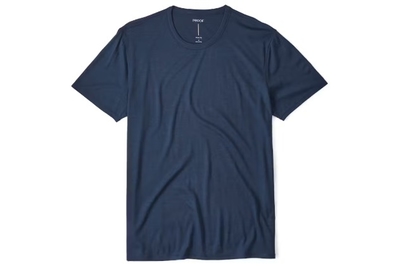
This breezy, durable, lightweight tee looks sharp and wears well year-round. And after six days, it remained almost stink-free.
7. If you frequently need a spare bag, bring a small packable daypack or a packable tote. Some can fit in the palm of your hand.
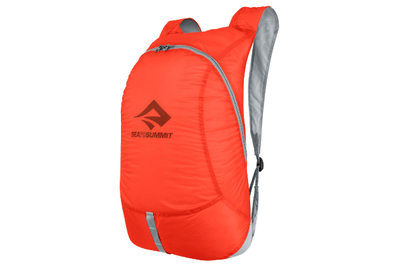
Toss this lightweight, phone-size packable bag into your luggage or coat pocket, and you’ll never get caught without a spare bag again. If you need to carry a bag more often, though, you might prefer one of our more structured picks.
8. Unless it’s your wedding, you can probably skip the garment bag. We recommend a simple technique to pack a suit or tailored jacket in a carry-on wrinkle-free.
9. The best TSA-compliant liquids bag is a Ziploc freezer bag.


10. Don’t bother decanting skin-care products with sensitive ingredients — such as peptides, retinoids, and products with certain vitamins — into travel containers, because there’s a good chance they’ll be less effective. Luckily, many such products already come in small, travel-friendly containers.
11. However, you can transfer your full-size toothpaste into a refillable toothpaste tube.
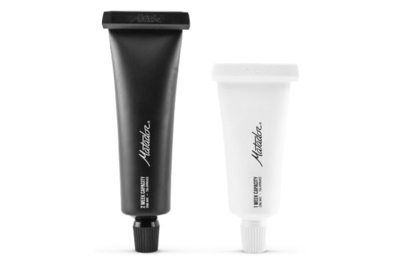
If you’re tired of buying travel-size toothpaste tubes, these refillable tubes from Matador are a good replacement. They open fully at the back and close with a clip. They’re easy to clean, but the clip can be a little annoying to put back on.
12. This bag actually keeps your bar of soap from getting mushy.
13. Travel-size containers aren’t just for toiletries. One of my colleagues puts sriracha in a 15 mL dropper bottle for on-the-go heat. Just make it a dedicated hot-sauce container, and clean the nozzle every once in a while.
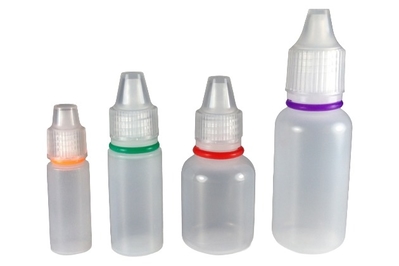
Travel writer and backpacker Trey French uses these lightweight, translucent mini dropper bottles for everything from contact solution to castile soap to, yes, sriracha. And the manufacturer offers bottles in a range of types and sizes.
14. An inexpensive pill case makes a great jewelry organizer.
15. Airlines lose less luggage than you think, so don’t shy away from checking a bag. It might save your back: Spinal surgeons see lots of back injuries from people lifting carry-ons into overhead bins.
16. Even if you want to use a Bluetooth tracker (like an AirTag) for peace of mind, an analog luggage tag is the first line of defense against lost luggage, and it can help you spot your bag on the carousel.
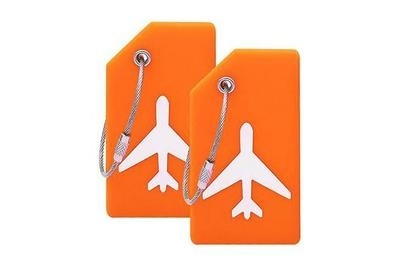
A rugged silicone body and metal cable keep this inexpensive tag securely attached to your luggage, and its display window hides sensitive information from random strangers.
17. Many brands’ carry-on suitcases are larger than airlines’ listed dimensions. Luckily, an airline’s luggage sizer is usually a little larger than the carrier’s listed size restrictions.
18. However, international airlines are generally stricter than domestic ones, so get a smaller carry-on if you frequently travel abroad.


19. A lighter-weight suitcase is not necessarily a better suitcase, in part because durable materials tend to be heavier. Though we do recommend one impressive — and relatively inexpensive — 5-pound suitcase that’s surprisingly sturdy.

Remarkably well priced for a suitcase from a reputable brand, this is an ideal lightweight pick. It provides many features of luggage costing nearly twice as much.
20. For most people, a medium checked suitcase is more useful than a large checked suitcase, since the latter will cross the weight limit when fully packed.
21. If the weigh-in during check-in leaves you anxious, just get a luggage scale.
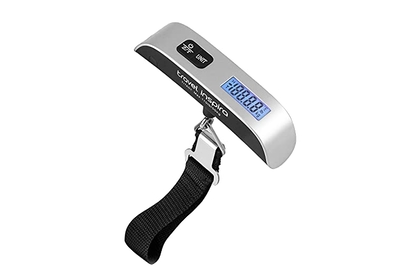
This luggage scale performed the best in our tests. It’s easy to hold and intuitive to use, and its margin of error was under 1 pound.
22. Relying on your current phone carrier when traveling overseas can be expensive. Luckily, many phones allow you to install an inexpensive eSIM before your trip even starts.
23. Consider downloading maps of your destination and making sure your preferred translation app is equipped with the necessary languages before you land in a foreign country. And update your phone software while you’re at it.
24. Losing your phone is a bummer. But it’s less of a bummer if you have paper copies of flight, lodging, and other important information.
25. Also a bummer: losing your passport. Snap a picture of it or carry a photocopy, which can speed up getting an emergency passport if the original goes missing.
26. US Customs and Border Protection agents can ask to search your phone. To keep your privacy when traveling internationally, turn off biometric unlocking, delete or hide social media apps, or — if you travel with a lot of sensitive information on your phone — buy a burner.
27. If you’re traveling with an, ahem, personal itemput it in an unsuspecting little bag. If anyone goes toward that bag (like a TSA agent) “you know to mentally and emotionally prepare yourself,” said actress Tracee Ellis Ross.


28. Here’s what to wear on a flightaccording to The New York Times’s chief fashion critic: comfortable clothes that feel like pajamas but don’t look like them, shoes that are easy to walk in, a decent pair of socks, and as few accoutrements as possible.
29. Speaking of footwear, comfort beats cuteness. Choose shoes that you’ve already broken in and will go with anything, like black or white sneakers.
30. No matter how you sleep, there’s a travel pillow for that.
31. Get an eye mask. It doesn’t cost much to upgrade from the onboard freebie, and it can also help you take a quick snooze in a new time zone or sleep late in lodging that lets in lots of morning light.

A silken exterior material, a flat design, and an adjustable strap make this mask fit almost any face, but it puts pressure on the eyes.
32. Let the airline keep its single-use headphones. You can connect your own Bluetooth headphones or earbuds to the plane’s audio system with a simple discussion.
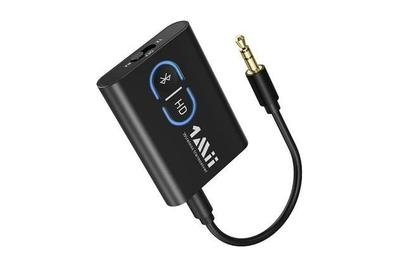
This small, portable transmitter sounds as good as any other model we tested, and it actually works as advertised, which isn’t a given in this category.
33. Compression stockings have been found to reduce leg swelling and the risk of deep vein thrombosis on long flights. (Moving your legs around or getting up to walk every one or two hours also helps.)


34. Looking at a stable horizon line is a known method for reducing motion sickness. (Motion sickness glassesnot so much.)
35. A universal travel adapter allows you to plug in and charge devices in places all over the globe — but not everywhere, such as parts of Africa, India, and Europe. In those cases, you need individual plug adapters.
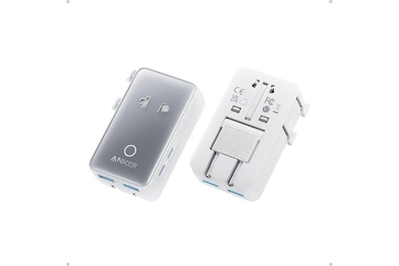
The smallest universal adapter we tested, this model has two USB-C and two USB-A outputs. It covers many countries, but not all of them.
36. And remember: Travel adapters don’t convert voltageand voltage converters don’t really work, so leave your hair dryer at home.
37. Lament the lack of wall outlets no longer. A portable power strip is handy for domestic travelers with lots to plug in.
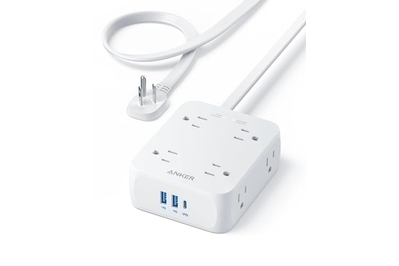
This eight-outlet power strip has a USB-C port, two USB-A ports, and a 5-foot cord. It is bulkier than most portable options and doesn’t have much surge protection, but it’s still great for travel.
38. Ultra-compact umbrellas may seem like a travel win, but we found they don’t work that well. Luckily, our favorite regular umbrella is small enough to fit in a water bottle pocket.
39. But for hands-free sightseeing in sideways rain, nothing beats rain pants.
40. You don’t have to bend to the will of your hotel’s Keurig — there’s an easy and inexpensive way to make coffee on the road. Or, you can pack some sachets of instant coffee. (It’s good now.)
41. Shockingly few laws require carbon monoxide detectors in lodging, but you can BYO.

This easy-to-use detector, which has undergone rigorous third-party testing, is surprisingly small and weighs less than a half pound. Plus, it has a 10-year lithium battery and doesn’t need to be plugged in (a particular boon if you’re traveling abroad).
42. Cleaning undies in a hotel sink isn’t fun, but these single-use packets of no-rinse detergent make it as easy as it’s going to get.
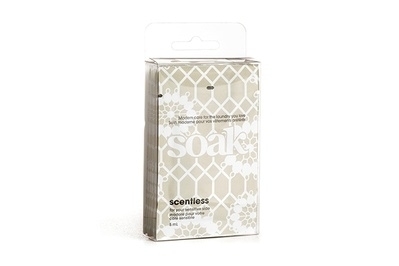
Soak is our favorite detergent for hand-washing, and it doesn’t even require a rinse after soaking. This pack comes with eight convenient single-use packets.
43. No detergent? Shampoo works pretty well for cleaning garments in a pinch (though, like Soak, it doesn’t contain any enzymesso it may not break down certain stains).
44. Remember: People all over the world wear clothes and maintain hygiene. Chances are, if you forget something, you can find it at your destination.
This article was edited by Maxine Builder and Annemarie Conte.
Source: www.nytimes.com